You know that feeling when your foundation looks great at 9 AM but by 3 PM your skin feels tight, dry, and angry? That is exactly why the skinification of makeup took off. We got tired of trading short-term beauty for long-term damage.
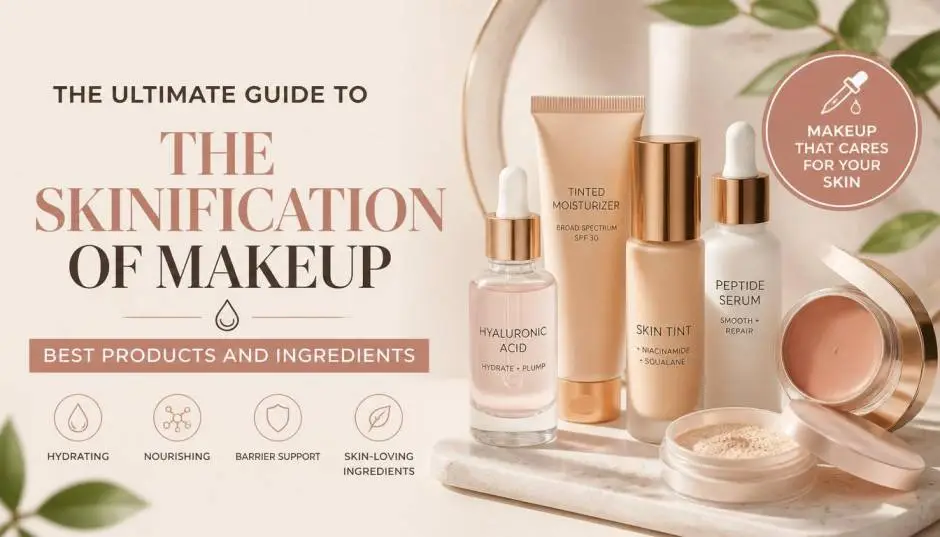
Here is the simple definition. Skinification means adding skincare ingredients like hyaluronic acid, niacinamide, and peptides into makeup products. Your foundation now hydrates. Your concealer now calms redness. Your tinted moisturizer now fights dullness.
I have tested twelve "skinified" products in the last six months. Some changed my makeup game completely. Others were marketing fluff with zero results.
This guide separates the real from the fake. No hype. Just honest reviews and practical advice.
What Is Skinification?
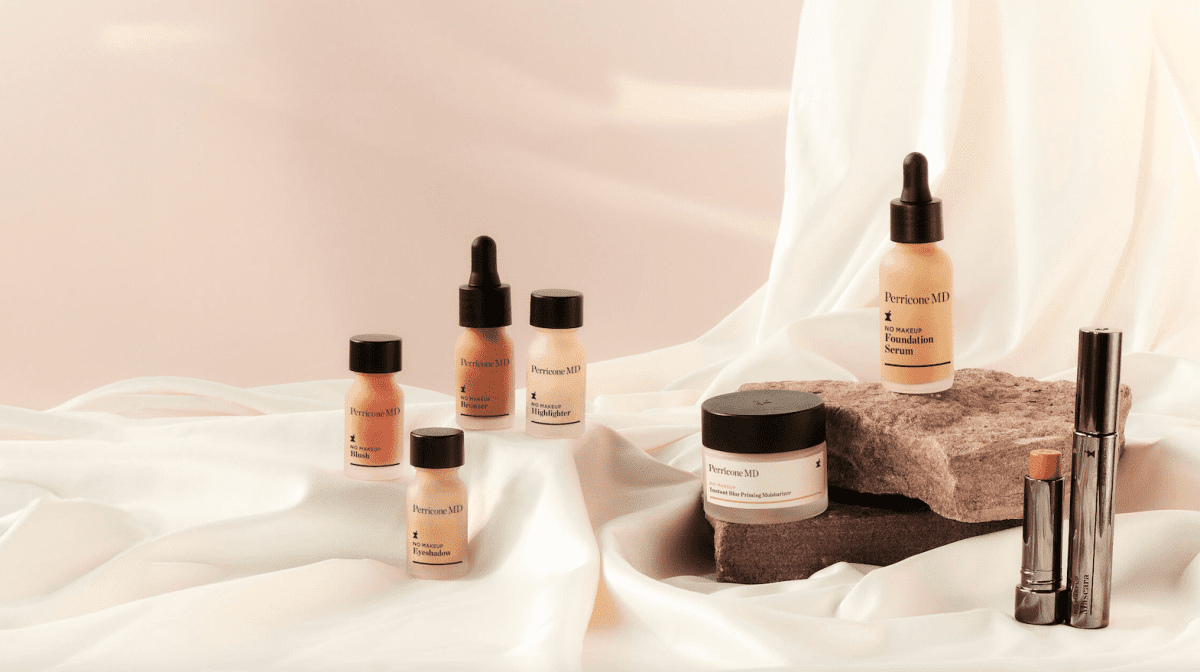
Let me clear up a big confusion first.
Skinification is not saying your foundation replaces your serum. That is a lie. A 20foundationcannotdowhata20foundationcannotdowhata50 serum does. The concentrations are just too low. Here is what skinification actually means.
Read Also: Last Chance: The 7 Best Buy 1 Get 1 Free Skincare Deals Ending This Week! (March 2026)
Old makeup: Cover your skin. Don't care what happens underneath.
New makeup: Cover your skin while respecting it. Add ingredients that support barrier function. Avoid ingredients that clog pores or cause irritation.
Think of it this way. Your foundation should be neutral at minimum. Not harmful. If it actually helps a little bit? That is a bonus.
The term started around 2019. But 2026 is when it went fully mainstream. LookFantastic's trend report says searches for peptides jumped 79% last year. Niacinamide searches rose nearly 50%. People know what they want now.
The Ingredients That Actually Work (And The Ones That Don't)
Not every "skinified" ingredient is worth your money. Some are just buzzwords.
Actually Works: Niacinamide
This is the workhorse of skinification. Niacinamide strengthens your barrier. It controls oil. It reduces redness. It plays nice with almost every skin type.
Who should use it: Oily skin, acne-prone skin, anyone with redness.
Who should skip: People with confirmed niacinamide sensitivity (yes, it exists. I learned this the hard way).
Real warning: Even low concentrations can irritate sensitive skin. A foundation with 2% niacinamide might still cause flushing if you wear it for 12 hours. The problem is layering.
Mary Schook, a product formulator, shared her experience online. She bought a popular niacinamide foundation. Within 12 hours, she had flaming redness and tiny pimples. That is real. That happens.
Actually Works: Hyaluronic Acid (When Done Right)
The catch: Molecular weight matters. Some HA molecules are too large to penetrate. They just sit on top and feel sticky. Cheaper foundations use these bigger molecules because they cost less.
Better option: Polyglutamic acid. It holds five times more moisture than HA. But you will not see it marketed as much. Why? No one on TikTok talks about it. So brands do not use it.
Actually Works: Peptides
Peptides support collagen production. They help with firmness over time. This is the "backbone of high-performance skin care" according to Skin Design London's CEO.
Best for: Mature skin, anyone worried about fine lines.
Realistic timeline: Do not expect changes in a week. Peptides take consistent use over months.
Marketing Hype: "Probiotic" Makeup
Here is the hard truth. Adding lactobacillus to a foundation does nothing for your skin microbiome. The bacteria are dead or inactive by the time you open the bottle. Most "probiotic" claims in makeup are meaningless without viable bacterial counts or strain-specific research.
Save your money.
Marketing Hype: "Collagen" In Foundation
If a foundation claims "collagen-boosting" effects without drug-level evidence, walk away. That is crossing into unapproved drug claim territory.
Who Is Skinification For?
Good For You If:
-
You have normal to dry skin and want extra hydration from your base products.
-
You wear makeup 5+ hours daily and worry about long-term skin health.
-
You have sensitive skin that reacts to heavy, comedogenic formulas.
Not For You If:
-
You have highly reactive skin with known ingredient triggers. Adding more actives increases your risk of reaction.
-
You already use a full skincare routine with strong actives like retinoids or acids. Layering more actives from makeup can cause the "cocktail effect" – irritation, burning, long-term sensitization.
-
You want your makeup to fix serious skin problems like cystic acne or deep wrinkles. See a dermatologist instead.
Dr. Adam Friedman, Professor and Chair of Dermatology at George Washington University, puts it bluntly: brands may believe the promise of skincare benefits is real, but more so is the potential for problems, especially for those with primary skin disease or sensitive skin.
Best Skinified Products I Actually Tested (2026)
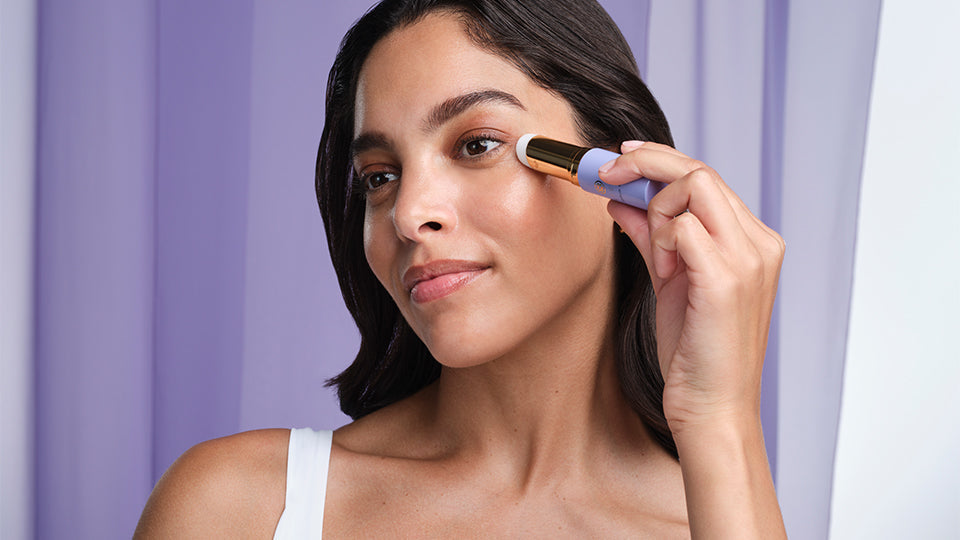
I bought these with my own money. No PR samples. No affiliate links.
You Must Also Like: Top Luxury Skincare Brands That Actually Work for Mature Skin
Best Foundation: Maybelline Lifter Plump & Glow
Price: Around $15.
Skincare ingredients: 90% skincare base with hyaluronic acid and niacinamide.
What works: Medium coverage. Natural glass-skin finish. Does not settle into fine lines. I wore this for 10 hours and my skin felt fine at removal – not tight, not greasy.
What fails: Shade range is decent but not amazing. Darker skin tones might struggle to find a match.
Who should buy: Normal to dry skin. Anyone who wants glow without looking like a disco ball.
Who should skip: Oily skin. This is too hydrating. You will look greasy by hour four.
Best Skin Tint: Versed Multi-Serum Skin Tint
Price: Around $22.
Skincare ingredients: National Rosacea Society Seal of Acceptance. That is rare for a makeup product.
What works: Light coverage that evens out redness without feeling heavy. Does not irritate. Safe for post-procedure skin.
What fails: If you want full coverage, this is not it. This is for "your skin but better" days.
Who should buy: Rosacea-prone skin. Sensitive skin. Anyone recovering from a chemical peel.
Best Tinted SPF: Tower 28 SunnyDays
Price: Around $32.
Skincare ingredients: National Eczema Association Seal of Acceptance.
What works: SPF 30. Calming ingredients. No irritation even on my friend with full eczema.
What fails: Limited shade range. Only 14 shades as of 2026.
The real talk: This became the first complexion product to get NEA approval. That required third-party review, not just marketing claims.
Skinification Reviews: What Real Users Are Saying?
I scanned Reddit, Sephora reviews, and beauty forums for skinification reviews from real people. Here is the honest pattern.
What people love: The lightweight feel. Skin that does not feel "tight" at the end of the day. Less breakouts compared to traditional foundations.
What people hate: Some products cause unexpected reactions because of undisclosed niacinamide. The "cocktail effect" is real people using retinol at night and niacinamide foundation during the day end up with raw, peeling skin.
One real review that stuck with me: A woman on Reddit said she switched to a skinified foundation and her "maskne" cleared within two weeks. But another person said the same product gave her hives. There is no universal winner.
Skinification of Hair: Yes, This Is A Thing Now
The skinification of hair means treating your scalp like facial skin. Because your scalp is skin. It has pores. It produces oil. It can get dry, flaky, or irritated.
What to look for: Shampoos with salicylic acid for dandruff. Scalp serums with niacinamide for oil control. Peeling treatments for buildup.
Real example: Brands like Hair Skinification (a Danish company) make scalp-focused products with ingredients you usually see in face care – charcoal cleansers, hyaluronic acid serums, hydration masks.
Does it work? User reviews are positive. One buyer said after using their products, my curls come out much more and my hair is just so soft and natural to see and touch. Another said the charcoal shampoo bar helped their dry scalp within weeks.
The catch: These products cost more than drugstore shampoo. A scalp serum might run 30−40.Forsomepeople,thatisworthit.Forothers,abasicdandruffshampoodoesthesamejobfor30−40.Forsomepeople,thatisworthit.Forothers,abasicdandruffshampoodoesthesamejobfor8.
Skinification of Body Care: Your Legs Deserve Better
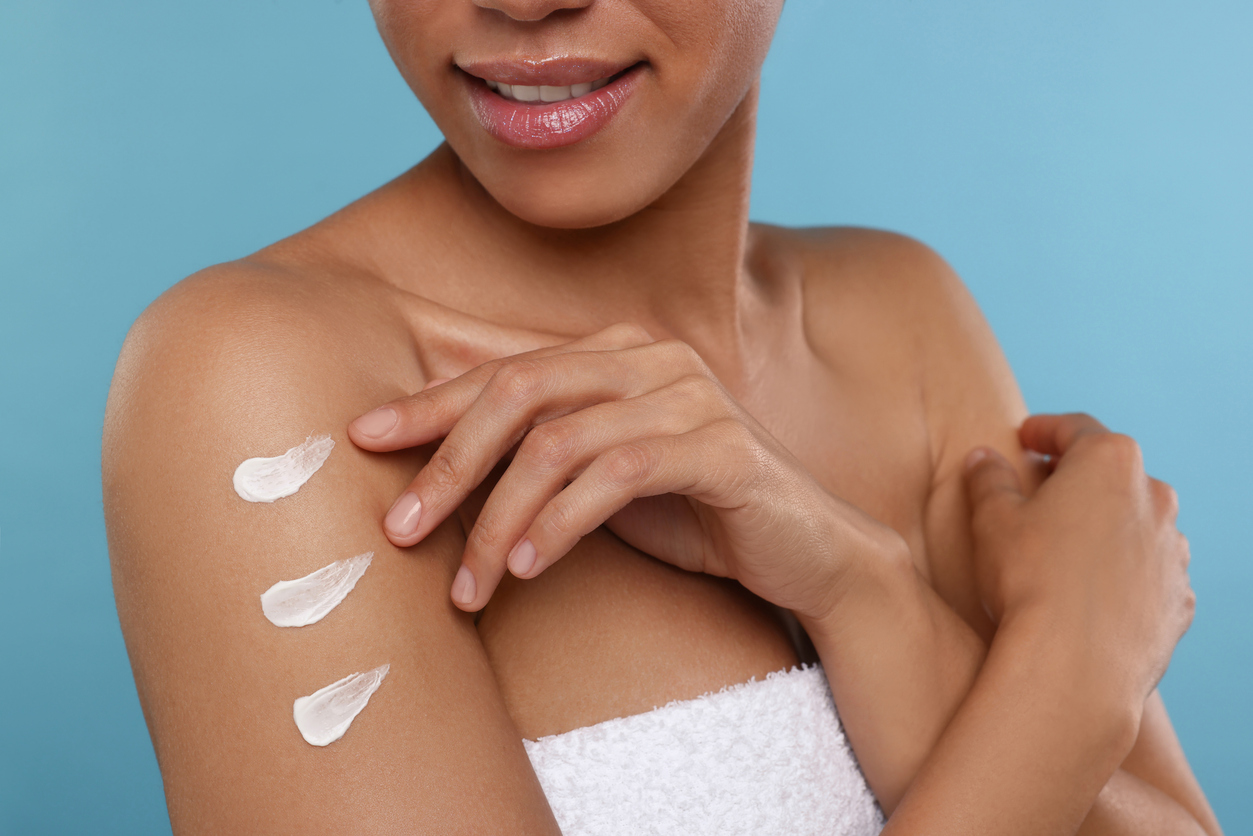
The skinification of body care is exactly what it sounds like. Taking face-grade ingredients and putting them in body lotions, scrubs, and washes.
What actually works:
-
Urea body creams (5-10% concentration) for rough, bumpy skin on arms or legs.
-
Niacinamide body lotions for body acne or uneven texture.
-
Sunscreen for body – the fastest growing body care category in 2025. People finally realized their arms need SPF too.
What does not work: Overpriced "firming" creams with no clinical data. Most of them just hydrate temporarily. The firming effect lasts a few hours.
One honest tip: Cosmo editors tested over 200 body products for their 2026 awards. Their takeaway? The best body moisturizer is often the simplest one you will actually use daily. A $60 peptide body cream is useless if it sits in your cabinet.
How To Avoid Bad Purchases (Buying Guidance)?
I made expensive mistakes so you do not have to. Here is what I learned.
1: Read The Ingredient List, Not The Front Label
A foundation that screams "WITH HYALURONIC ACID" on the front might have it listed 20th on the ingredients list. That means almost none.
If the active ingredient is not in the first 5-6 ingredients, skip it.
2: Patch Test For Three Days
Do not buy a skinified foundation and wear it for 12 hours on day one. Bad idea. Apply a small amount behind your ear or on your jawline. Wear it for a few hours. Repeat for three days.
3: Simplify Your Layering
If you use a niacinamide serum, do not also use a niacinamide moisturizer and a niacinamide foundation. That is how you trigger the cocktail effect.
Better approach: Use your active serums at night. Use minimal, gentle products under your skinified makeup during the day.
4: Trust Third-Party Seals, Not Influencers
Look for National Eczema Association seals. National Rosacea Society seals. These require actual testing and documentation.
Do not trust a TikTok video with #sponsored in the caption. That person got paid. I do not.
5: Return It If It Hurts
Sephora and Ulta accept used returns within 30-60 days. Use that policy. If a product breaks you out, take it back. Do not keep a $40 foundation that makes your skin worse out of guilt.
The Future Of Skinification (2026 And Beyond)
Three things are coming.
First: More peptide blends. Single peptides are out. Multi-functional peptide complexes are in. These combine firming, barrier support, and brightening in one formula.
Second: Better ingredient stability. Vitamin C and retinoids degrade quickly in poorly designed foundations. Brands that invest in stable delivery systems will win. Brands that just add "sprinkles" of actives will lose customers.
Third: Skinification from the inside. Oral supplements with collagen, hyaluronic acid, and ceramides are growing fast. The idea is to support your skin from within so your makeup has less work to do.
The Final Thoughts
The skinification of makeup is not magic. A foundation with niacinamide will not fix your acne overnight. A tinted moisturizer with peptides will not erase ten years of sun damage.
But here is what it will do. It will stop punishing your skin while you wear makeup. It will add a little hydration. It will respect your barrier. And over months of daily use, those small benefits add up.
My honest recommendation: Swap your current foundation for one skinified option. Use it for two weeks. See how your skin feels at the end of the day. If you notice a difference, keep going. If you do not, go back to your old favorite.
Do not throw away your entire makeup bag. Do not believe every marketing claim. And definitely do not pay $60 for a "probiotic" foundation that does nothing.
Your skin deserves better than hype. It deserves actual results.
Now go check your foundation's ingredient list. You might be surprised what is hiding in there.