Setting up a home gym sounds easy until you actually start buying things. I’ve been there. You order one piece. Then another. Soon you have equipment that looks impressive but barely gets used.
If your goal is real progress — strength, fat loss, endurance, consistency — the Best Home Gym Equipment is not about having more gear. It’s about having the right gear.
This guide is for people who train seriously at home or want to start. No hype. No influencer nonsense. Just honest advice from someone who’s made both good and bad purchases.
What “Serious Fitness Goals” Actually Mean at Home?
Let’s clear this up first. Serious goals don’t mean bodybuilding only. They mean:
Read Also: Top Personal Training Apps Worth Paying for Free
-
You want measurable progress
-
You train at least 3–5 days a week
-
You want strength and conditioning
-
You don’t want excuses
When that’s the goal, random gadgets won’t cut it. You need tools that allow progression.
The Mistake Most People Make When Buying Home Gym Equipment
Most beginners buy equipment based on price or trends. I did that too. Resistance bands only. Or one fancy machine. Or cardio equipment that turns into a clothes hanger. The problem is balance. The Best Home Gym Equipment allows you to train:
-
Push
-
Pull
-
Legs
-
Core
-
Cardio
Miss one, and your progress stalls.
Start With the Foundation, Not the Fancy Stuff
Some time recently talking around machines, let’s conversation essentials. These are non-negotiable.
Adjustable dumbbells.
If I had to keep as it were one thing in my domestic exercise center, it would be flexible dumbbells. They permit presses, columns, squats, lurches, twists, and carries.
Weight movement things, so make beyond any doubt plates can be included over time. Cheap dumbbells feel enticing. Awful hold and free collars will make you lament it quick.
Barbell and weight plates (if space allows)
Nothing builds raw strength like a barbell.
Squats. Deadlifts. Overhead presses. Rows.
If you have space and decent flooring, this is gold. It turns your home gym into something serious.
Home Gym Equipment All in One: When It Makes Sense
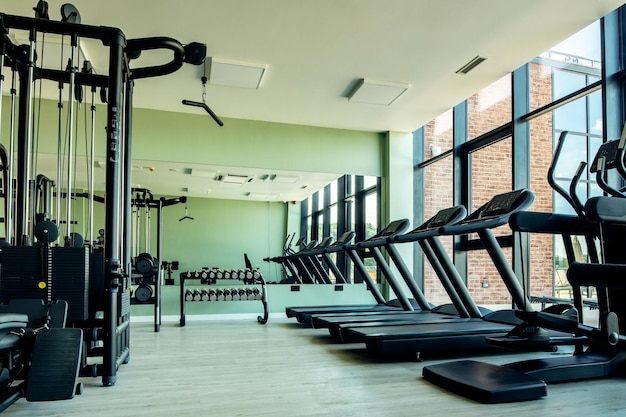
A Home gym equipment all in one setup can be useful, especially if space is limited. But here’s the truth. Most all-in-one machines are built for convenience, not progression.
Many max out too early for serious training. They work best for:
-
Beginners
-
Rehab or light strength
-
Limited space setups
If you’re strong or plan to get strong, check the maximum resistance carefully.
All in One Gym Machine Under 10,000: Realistic Expectations
Let’s be honest here.
An All in one gym Machine under 10,000 is not going to replace free weights. Anyone telling you otherwise is selling something. What it can do:
-
Help beginners start moving
-
Support basic strength training
-
Offer guided movements
What it won’t do:
-
Build advanced strength
-
Replace progressive overload
-
Last forever
If budget is tight, treat this as a starting tool, not the final setup.
Best Equipment for Home Workout Without Machines
You don’t need machines to train hard. Some of the best equipment for home workout is simple and brutally effective.
You Must Also Like: Muscle Building Supplements That Are Backed by Science
Resistance bands (used the right way)
Bands get a bad reputation because people expect miracles. Used properly, they’re excellent for:
-
Warm-ups
-
Accessory work
-
Mobility
-
Rehab
They complement weights. They don’t replace them.
Kettlebell
One kettlebell can give you cardio and strength together.
Swings, goblet squats, presses, carries.
I still use mine on days when I want a fast, intense session.
Cardio Equipment That Doesn’t Collect Dust
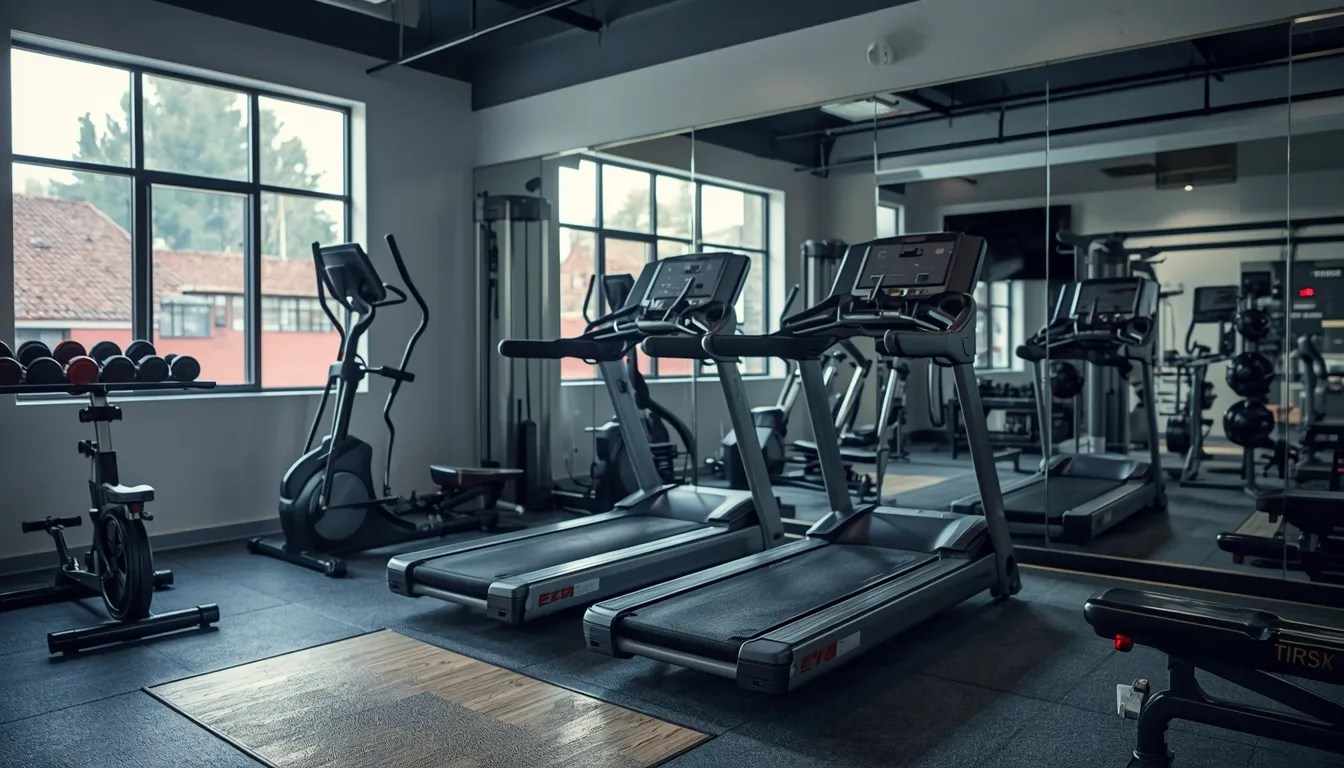
Cardio equipment fails when it’s boring. I’ve seen treadmills become storage racks. Better options for home use:
-
Skipping rope (cheap, brutal, effective)
-
Stationary bike (easy on joints)
-
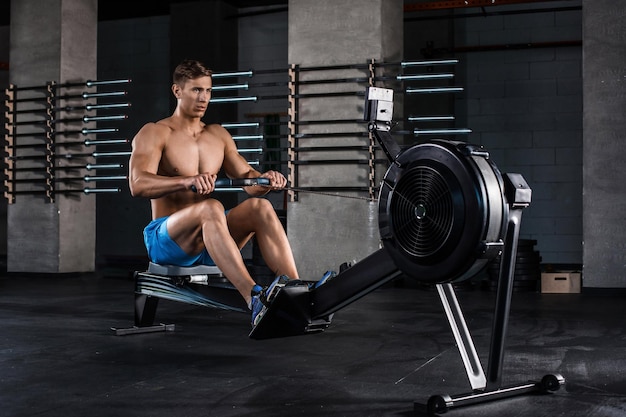
Rowing machine (full-body workout)
Pick something you’ll actually use.
Home Gym Equipment List for Serious Results
If I had to build a smart setup today, this would be my Home gym equipment list:
-
Adjustable dumbbells
-
Barbell + plates
-
Flat or adjustable bench
-
Pull-up bar
-
Resistance bands
-
Kettlebell
-
Skipping rope or bike
That setup covers 90% of training needs.
Space Matters More Than People Admit
Before buying anything, measure your space.
I’ve seen people buy squat racks that don’t fit under their ceiling. Or machines they can’t move once assembled.
Clear space = safer training.
If space is limited, prioritize equipment with multiple uses.
How to Avoid Wasting Money on Home Gym Gear?
Here’s what I do now before buying anything:
-
Ask: will I use this weekly?
-
Check weight limits
-
Read negative reviews first
-
Avoid “too good to be true” claims
The Best Home Gym Equipment doesn’t promise shortcuts. It supports consistency.
Progression Is the Real Secret
Equipment doesn’t build strength. Progression does. You should be able to:
-
Add weight
-
Add reps
-
Increase difficulty
If your setup doesn’t allow progression, you’ll plateau fast. This is where many all-in-one machines fall short.
Real talk: home gym vs commercial gym
Home gyms win on consistency.
No travel. No waiting. No excuses.
Commercial gyms win on variety and heavy equipment.
If your goal is consistency and long-term results, a home gym is powerful — if set up right.
What I’d skip if starting again
Based on experience, I’d skip:
-
Gimmicky ab machines
-
Cheap plastic resistance systems
-
Overpriced “smart” equipment with subscriptions
Simple equipment lasts longer and works better.
Final Thoughts
Training at home can be incredibly effective. I’ve hit some of my best fitness milestones without ever stepping into a gym. The key is choosing equipment that grows with you.
The Best Home Gym Equipment supports effort, not shortcuts. It makes training easier to start, not easier to avoid. If you want, I can:
-
Build a setup based on your budget
-
Suggest equipment for small apartments
-
Compare all-in-one machines honestly
-
Create a beginner vs advanced setup
Just tell me what you need.