Fitness is no longer about exercise in America. It has become a lifestyle. Over the years, fitness trends have changed how people think, live, eat, and connect with others. Today, fitness influences culture, social habits, media, fashion, and even work life. Americans now see fitness as a part of daily identity, not a weekend activity.
This article looks at key fitness trends in the United States. It shows how these trends influence American culture.
The Rise of Fitness Culture in America
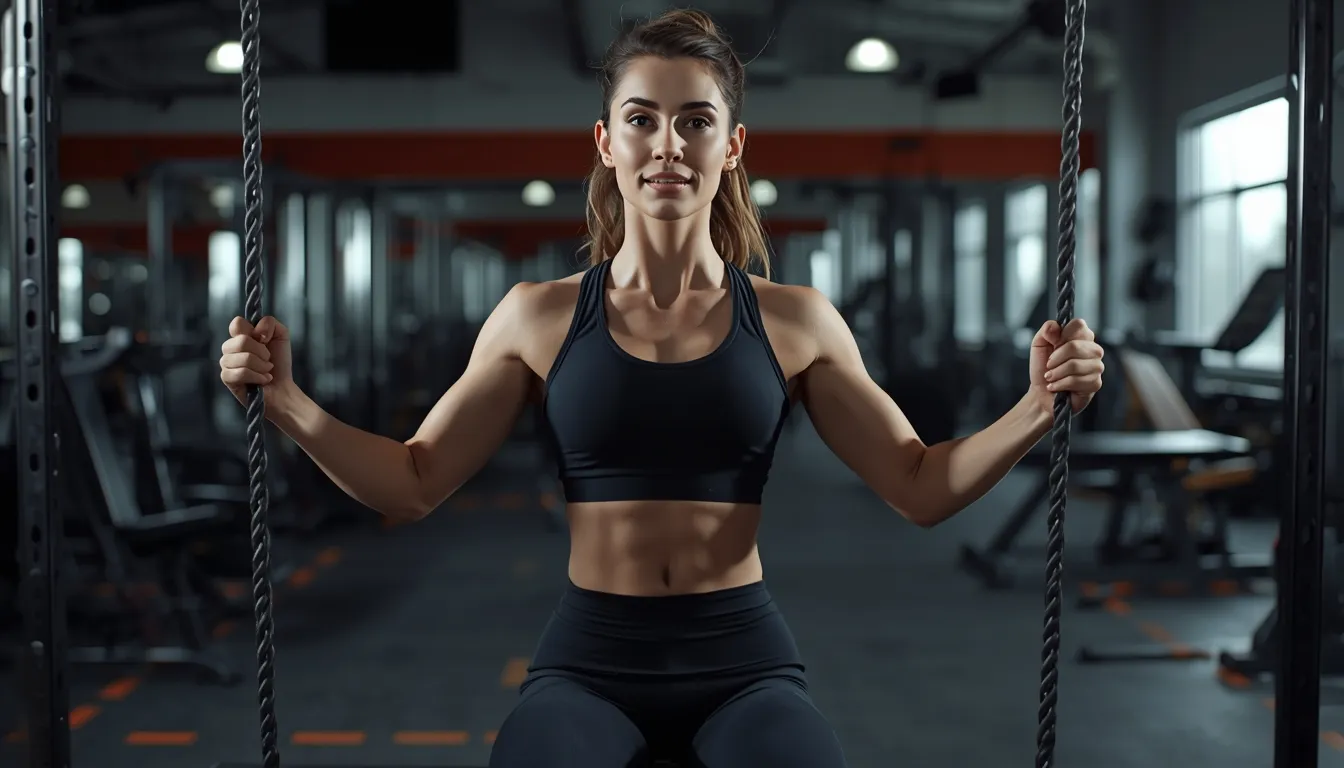
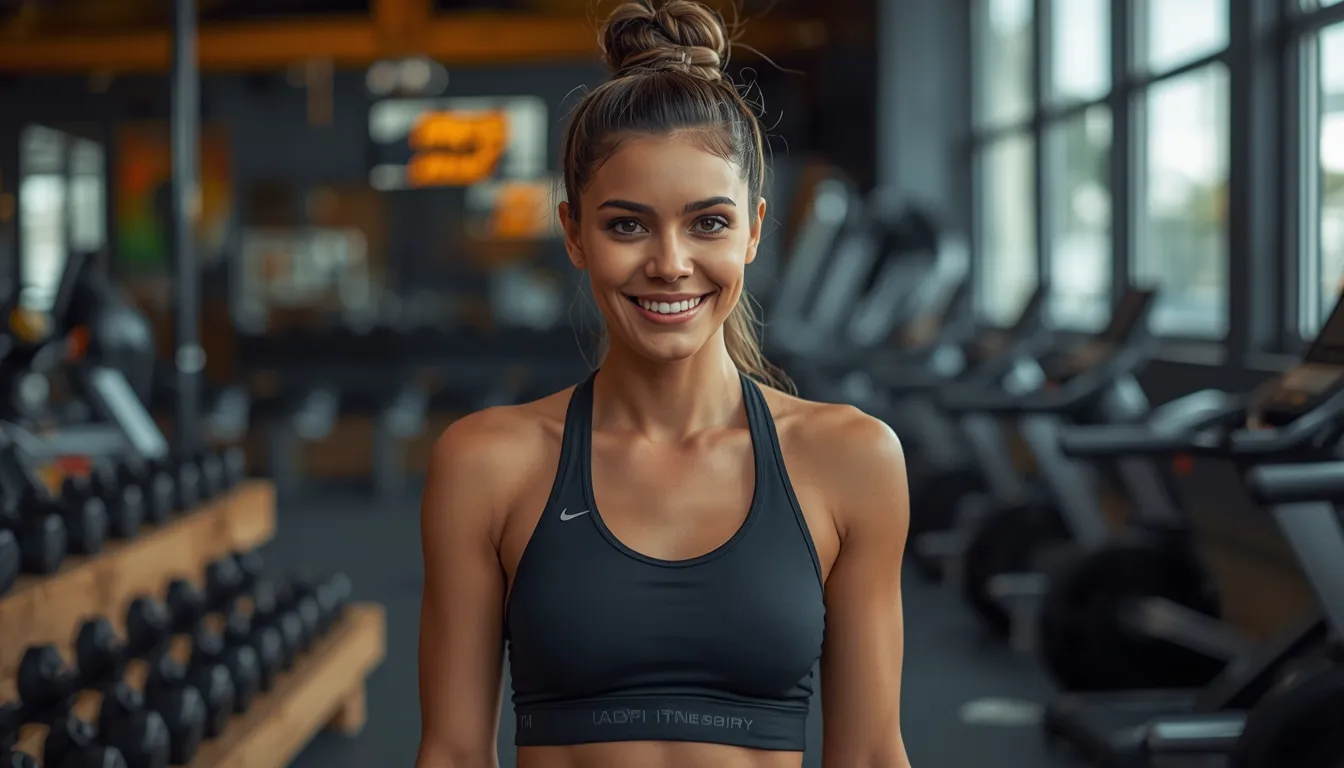
Fitness culture in America has experienced significant growth in the last two decades. Exercise was mainly linked to athletes or bodybuilders. Now, people of all ages take part. Schools, offices, and communities promote fitness. You can find gyms in almost every neighborhood. People fill parks by walking, running, or doing yoga.
Read Also: Everything You Need to Know about the Elimination Diet
This change happened because health awareness increased. Obesity and lifestyle diseases became common. As a result, they promoted fitness as a solution. Media and social platforms also played a strong role. They showed fitness as cool, social, and rewarding.
Today, fitness is not optional for many Americans. People see it as a necessity.
Home Workouts and Digital Fitness?
One of the biggest fitness trends in America is home workouts. This trend became popular during the COVID-19 pandemic. They closed the gyms. People forced themselves to exercise at home. What started as a need became a habit.
Fitness apps, YouTube workouts, and online trainers gained popularity among users. We bought equipment like resistance bands, dumbbells, and yoga mats in large numbers. Peloton, Apple Fitness+, and other digital platforms grew fast.
This trend changed culture in many ways. Fitness became more private and flexible. People could work out anytime. Busy schedules were no longer an excuse. Families even started exercising together at home.
Home workouts also made fitness more inclusive. People who felt uncomfortable in gyms found a safe space at home. This cultural shift helped remove fear and judgment from fitness.
The Influence of Social Media on Fitness Trends
Social media has a powerful impact on fitness trends in America. Platforms like Instagram, TikTok, and YouTube are full of fitness content. Trainers, influencers, and everyday users share workouts, meals, and progress photos.
Fitness challenges became popular. Short workout videos gained millions of views. Hashtags related to fitness trends spread quickly. Because of this, fitness became a daily topic of conversation.
This influence is both positive and negative. On the positive side, we share motivation. People feel inspired. Free fitness knowledge is available. On the negative side, unrealistic body standards are sometimes promoted. Many feel pressure to look perfect.
Still, social media has made fitness visible. It has become part of American pop culture.
Group Fitness and Community Connection
Group fitness classes are another strong trend. These include CrossFit, spin classes, boot camps, and dance workouts. Americans enjoy exercising together. Group energy creates motivation. People feel supported.
You Must Also Like: Can a Low-Impact Workout Help You Hit Your Goals?
These classes are not only about physical health. They help build social bonds. People form friendships. Communities grow stronger. Many people say they attend classes not for fitness, but for connection.
This trend has changed the design of fitness spaces. Gyms now focus on experience, not equipment. Music, lighting, and coaching styles matter. Fitness has become a shared cultural experience.
Yoga, Mindfulness, and Mental Health Awareness
Yoga and mindfulness have become mainstream in America. Earlier, people saw yoga as spiritual or foreign. It is now a fact that many people accept. You can find yoga studios everywhere. Meditation apps have gained significant popularity.
This trend reflects a cultural shift. Mental health is now a topic of open discussion. Experts recognize stress, anxiety, and burnout as problems. Fitness is no longer only about muscles. It is about balance and well-being.
Mind-body fitness trends changed workplace culture as well. Companies offer wellness programs. We provide meditation breaks and fitness benefits. We encourage a healthier lifestyle.
Wearable Technology and Fitness Tracking
Fitness tracking is another major trend. Smartwatches, fitness bands, and health apps enjoy widespread usage. We track steps, heart rate, calories, and sleep daily.
This trend has changed behavior. People are more aware of their bodies. Small goals are set. We measure progress. Motivation increases when numbers improve.
This has fostered a fitness mindset that relies on data. Experts measure health. Conversations about steps and calories are common. Fitness has become part of the daily routine, not an occasional effort.
Fitness Fashion and Lifestyle Branding
Fitness has also influenced American fashion. People wear activewear everywhere. Leggings, sneakers, and hoodies are now everyday clothing. People call this trend "athleisure."
Brands like Nike, Lululemon, and Adidas shape this culture. Fitness clothing represents health, confidence, and discipline. Wearing workout clothes is no longer limited to gyms.
This change shows how fitness has merged with lifestyle. It reflects values such as productivity, self-care, and strength.
Cultural Impact on Food and Nutrition Choices
Fitness trends have also changed eating habits. Protein-rich foods, plant-based diets, and clean eating have become popular. Labels like “organic,” “low sugar,” and “high protein” attract attention.
Meal prep culture grew as well. People plan meals in advance. People prefer healthy snacks. This trend affects restaurants and grocery stores.
Food is now linked to fitness goals. People see eating as fuel, not pleasure. This mindset reflects a cultural shift toward conscious living.
Inclusivity and Body Positivity in Fitness
In recent years, fitness culture in America has become more inclusive. Different body types, ages, and abilities represent. Fitness is no longer only for thin or muscular bodies.
Body positivity movements influenced this change. We promote fitness for health, not appearance. Someone creates adaptive fitness programs. We include older adults and people with disabilities.
This shift made fitness more welcoming. Cultural pressure reduced. Health became the main focus.
Challenges and Criticism of Fitness Trends
While fitness trends bring many benefits, challenges exist. Overtraining, misinformation, and unrealistic expectations can cause harm. Some trends focus more on looks than on health.
Commercialization is another issue. Expensive memberships and products can exclude people. Not everyone can afford premium fitness services.
We need awareness. We should encourage balanced fitness. Education plays a key role.
The Future of Fitness Culture in America
The future of fitness in America looks dynamic. Technology will continue to grow. Virtual reality workouts and AI coaching may become common. Mental health integration will increase.
Cultural values will shape fitness trends. Sustainability, inclusivity, and personalization will matter more. Fitness will continue to influence how Americans live, work, and socialize.
Conclusion
Fitness trends have significantly shaped American culture. They influence daily habits, social connections, fashion, food, and mental health. Fitness is no longer a physical activity. It is a way of life.
As trends evolve, their cultural impact will grow. When practiced with careful consideration, fitness can improve health and strengthen communities. America’s fitness culture reflects its desire for balance, connection, and well-being.