I still remember my first mechanical watch. I bought it because it looked expensive. Did not know how it worked. Did not understand why it stopped after I left it on my dresser for two days.
That mistake cost me a trip to the watchmaker and a lesson I will not forget.
A mechanical watch for men is not just an accessory. It is a tiny machine on your wrist. Understanding how it works changes everything about owning one.
How Does a Mechanical Watch Work?
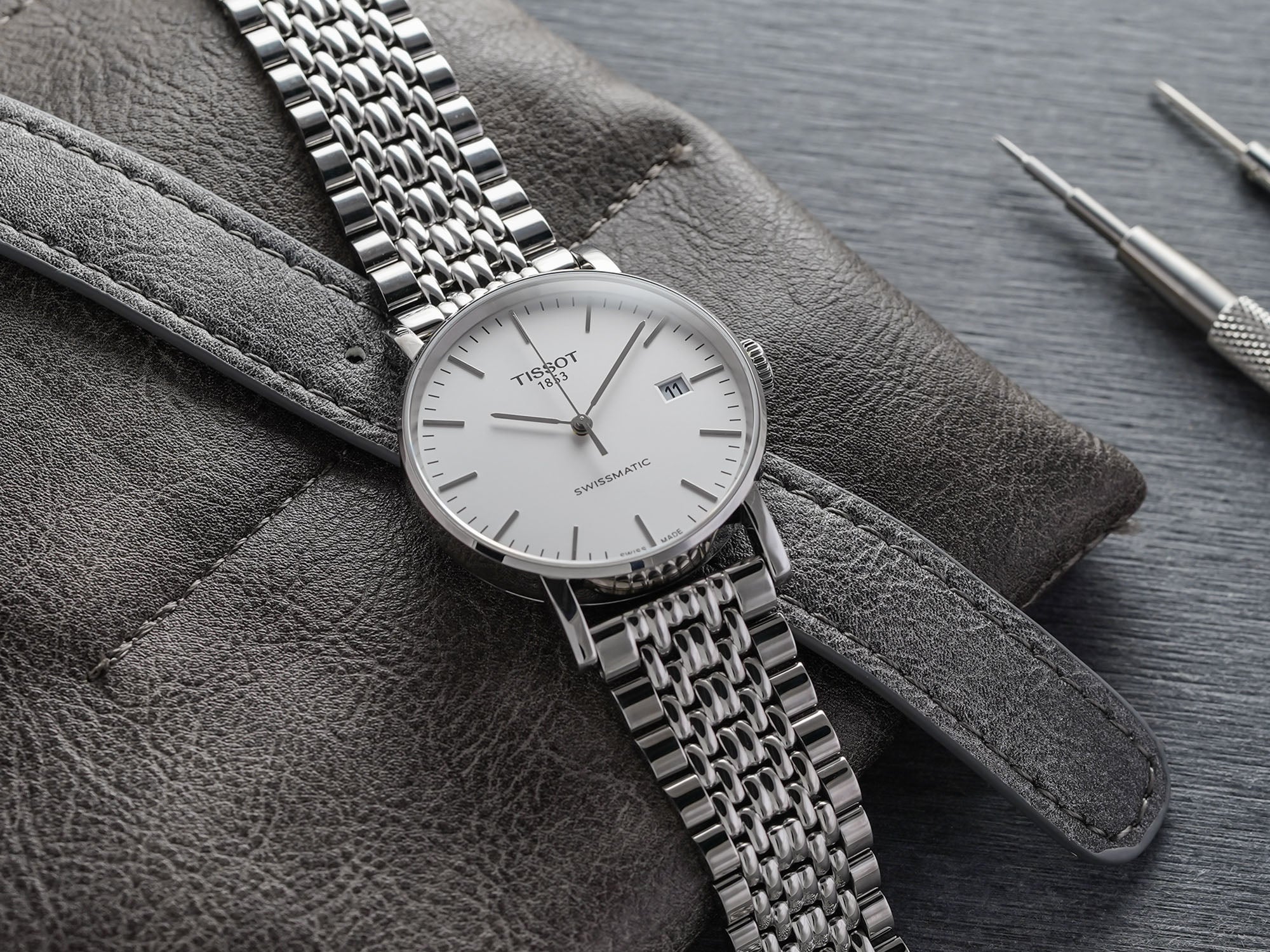
Let me break this down simply.
A mechanical watch uses a clockwork mechanism to measure time. No batteries. No electronics. Just springs and gears.
Read Also: Tissot PRX Men's Watch Review: Powermatic 80 vs Quartz (Which to Buy?)
The watch has five main parts:
-
The mainspring. This coiled wire stores energy. Like winding a toy car.
-
The gear train. Transmits power from the mainspring to the hands. Also adds up swings to show seconds, minutes, and hours.
-
The balance wheel. This oscillates back and forth. It is the timekeeping element. Think of it as the watch's heartbeat.
-
The escapement. Two jobs here. It keeps the balance wheel vibrating by giving it a push. It also lets the gears advance a small amount with each swing. This is what makes the ticking sound.
-
The indicating dial. The face with hands that show time.
Manual vs Automatic
There are two types of mechanical watches.
Manual wind requires winding by hand through the crown. You turn it daily to keep it running. Some people love this morning ritual. Others find it annoying.
Automatic winds itself using wrist motion. A weighted rotor spins as you move, winding the mainspring. Wear it daily and it never stops.
Most titan mechanical watch for men models use automatic movements. Titan's Automatics Collection features 21 jewel bearings and a 21,600 bph vibration frequency. That means the balance wheel oscillates 21,600 times per hour.
Pros and Cons of Mechanical Watches
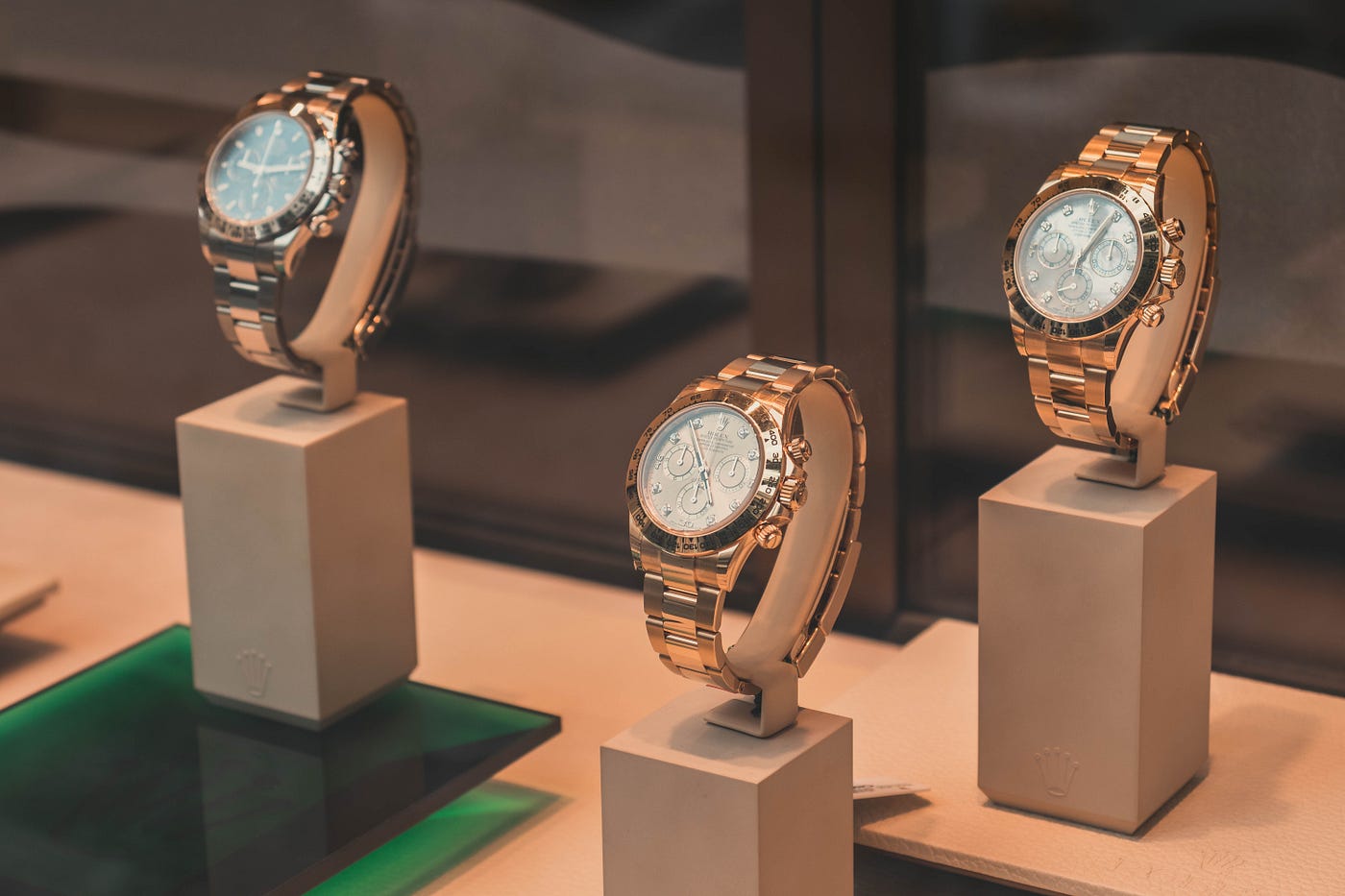
What Makes Them Special?
No batteries. Never. A mechanical watch runs entirely on spring power.
Smooth movement. The second hand sweeps rather than ticks. Watch enthusiasts appreciate this aesthetic detail.
You Must Also Like: Premium Minimalist Watches for Men | Slim Profiles And Clean Designs
Craftsmanship. Inside the case are tiny gears and springs working together. A watchmaker spends hours perfecting a mechanism hidden from view.
Longevity. With proper care, mechanical watches last generations. Many become heirlooms passed down through families.
Value retention. Mechanical watches often hold or increase in value over time. Particularly limited editions from respected brands.
The Downsides
Requires winding. Manual watches need daily winding. Automatics need regular wear. Leave one still for two days and it stops.
Sensitive to environment. Moisture, dust, shocks, and magnets are the four enemies. Temperature extremes affect accuracy too.
Less accurate than quartz. A good mechanical watch might gain or lose a few seconds daily. Quartz watches deviate only seconds per month.
Expensive maintenance. Every 5-7 years, mechanical watches need servicing. Cleaning. Lubricating. Regulating. This costs money. Sometimes several hundred dollars.
Higher purchase price. All that craftsmanship costs extra. Entry-level mechanical watches start higher than quartz alternatives.
Choosing the Right Mechanical Watch
Movement Type
For first-time buyers, automatic usually makes sense. You get the mechanical experience without daily winding. Wear it regularly and it keeps running.
Manual wind appeals to purists. The daily winding ritual connects you with the watch. Also, manual movements are often thinner since they lack the rotor.
For a titan mechanical watch for men, the popular entry-level movement is the Miyota 8N24. Reliable. Accurate. Skeleton design shows the inner workings.
Size Matters
Do not just look at case diameter. The lug-to-lug measurement matters more.
Lugs are the metal arms holding the strap. If the distance between top and bottom lugs exceeds your wrist width, the watch overhangs. Looks clumsy. Feels uncomfortable.
Safe zone: 39mm to 41mm diameter fits most wrists. Lug-to-lug under 48mm ensures the watch hugs your wrist properly.
Titan's Mechanical Automatic models come in around 43-44mm case width with 48.5mm lug-to-lug. Works for average to larger wrists.
Crystal Type
The crystal is the clear window over the dial.
Acrylic. Plastic. Scratches easily. But you can buff scratches out.
Mineral glass. Common on budget watches. Resists scratches better than acrylic. But once scratched, you cannot buff it out.
Sapphire. Virtually scratch-proof. Only diamonds scratch it. The premium choice. Look for this if spending over $200.
Many Titan mechanical watches use mineral glass. This keeps costs reasonable while offering decent protection.
Water Resistance
Watch brands display water resistance confusingly. Here is what numbers mean:
30m / 3 ATM. Splash resistant only. Rain and hand washing. Do not submerge.
100m / 10 ATM. Gold standard for daily wear. Safe for swimming and snorkeling.
200m+. Dive ready.
Titan mechanical watches typically offer 30m water resistance. Fine for daily wear. Not for swimming. This is a limitation worth knowing.
Strap Options
Stainless steel bracelet. Durable. Versatile. Works casual or formal. Most common choice.
Leather strap. Classic and comfortable. But wears out faster, especially in humid conditions.
Rubber. Waterproof. Tough. Good for sports watches.
For a titan mechanical watch for men, stainless steel bracelets are standard. The Metal Mechanicals collection features silver stainless steel with butterfly clasp.
Common Mistakes to Avoid
Overpaying for Fashion Brands
Many fashion brands license their name to watch manufacturers. You pay for the name, not the quality. Better to buy from dedicated watch brands known for construction quality.
Ignoring Maintenance Costs
Automatic watches need service every 5-7 years. Factor this into your budget. A service on a Swiss chronograph can cost $400+. More affordable Japanese movements like Seiko or Orient might run 20 years with zero care.
Choosing Wrong Size
Oversized watches look comical on slender wrists. Tiny vintage sizes look lost on large wrists. Check both diameter and lug-to-lug measurements.
Buying Before Understanding Water Resistance
A 30m dress watch cannot go swimming. Match water resistance to your actual needs.
Falling for "Homage" Watches
Watches that look exactly like luxury models but cost tiny fractions. Know what you are buying. A tribute piece is not a high-value original.
The Titan Mechanical Watches
Titan launched its Automatics Collection celebrating mechanical watchmaking artistry. Four distinctive lines:
Yin Yang Skeletal Automatic. Artistic symbolism meets precision. Stainless steel and rose gold variants. Elevates formal wear.
Phoenix Skeletal Automatic. Wing-inspired dials. Knurled crown. Eclipse Black and Ember Rose Gold options. Evening elegance.
Nexus Skeletal Automatic. Nautical inspiration. Helm-shaped skeletal dial. Coffee Brown and Gunmetal. Smart-casual wear.
Golden Heart Skeletal Automatic. Gilded skeleton dial. Bi-metal and full-gold finishes. Statement-making occasions.
Prices range from 18,325 to 22,150. Available at Titan stores and online.
Titan Metal Mechanicals
The Metal Mechanicals collection treats engineering as aesthetic. Open-worked skeletal dial reveals the movement. Circular highlight draws attention to inner workings. Monochrome stainless steel strap.
Specs:
-
43mm case width
-
48.5mm case length
-
13mm thickness
-
Mineral glass
-
Automatic mechanical movement
-
Stainless steel bracelet
-
24-month warranty on movement
This is the titan mechanical watch for men in the accessible premium segment.
The Final Thoughts
I own two mechanical watches now. One manual wind. One automatic.
The manual wind is a dress watch. Thin. Elegant. I wind it every morning while making coffee. The ritual grounds me before starting work.
The automatic is my daily beater. Worn everywhere. Never needs winding because I wear it constantly. It has survived rain, bumps, and one accidental drop on tile floor.
Both taught me things. Mechanical watches are not about perfect accuracy. They are about connection. To craftsmanship. To time itself. To the tradition of watchmaking spanning centuries.
If you are buying your first mechanical watch, start with an automatic. Choose reliable movement. Reasonable size. Sapphire crystal if budget allows. Understand its limitations before purchase.
And remember: the perfect watch is the one you look down at and smile. Not the one with the best specifications. Not the one with the biggest brand name. The one that feels right on your wrist.