Beauty tips - well health organic.com readers keep asking the same question: do natural remedies actually work, or are they just hype? I spent eight months testing organic routines on my own combination skin.
Skin care in Hindi well Health Organic has become a real movement, not just a trend. I've watched friends in Delhi and Mumbai ditch expensive chemical serums for haldi and rose water.
The results? Genuinely surprising. After testing organic routines for eight months straight, I can tell you what works, what wastes your money, and what actually damages your skin barrier.
This isn't another listicle copied from a brand's PR kit. These are observations from real use including my own mistakes with lemon juice and over-scrubbing. Let's fix your skin without emptying your wallet or burning your face.
Why Organic Beauty Tips Feel Different When They Actually Work?

Most beauty advice online sounds the same. “Use this serum. Buy that cream.” But organic skin care works differently. You're not layering products. You're working with what your skin already understands.
Read Also: Minimalist Aquaporin Booster Cleanser How to Use Guide?
I started using turmeric masks because my grandmother swore by them. Not because Instagram told me to. The difference showed up in three weeks. My acne scars faded. My skin didn't feel tight after washing. That matters.
Here's what I learned from dermatologists and my own kitchen experiments: natural ingredients work best when you respect two rules. First, patch test everything. Second, stop when your skin stings. “Natural” doesn't mean “safe for everyone.”
The Real Pros and Cons of Organic Skin Care
Let me be straight with you. Organic routines have limits.
Pros that hold up:
-
Fewer allergic reactions when you use single ingredients
-
Way cheaper than branded serums
-
You control what goes on your skin
-
Works well for sensitive skin types
Cons nobody mentions:
-
Results take 6–8 weeks, not 6 days
-
Some natural ingredients burn (lemon, undiluted essential oils)
-
DIY masks can breed bacteria if you store them wrong
-
Organic doesn't automatically mean non-comedogenic
I wasted three months on a “miracle” turmeric paste that broke me out. Turns out I was using too much. The fix? Half a teaspoon mixed with yogurt, twice a week maximum.
Beauty Tips for Face at Home: What Actually Worked for Me?

I tested seven popular home remedies over four months. Here's my honest scorecard.
Turmeric and Yogurt Mask — My Top Pick
What I used: ½ teaspoon turmeric powder, 2 tablespoons plain yogurt.
What happened: Dullness faded after two uses. Dark spots lightened by week six. No burning if I kept it on for 10 minutes only.
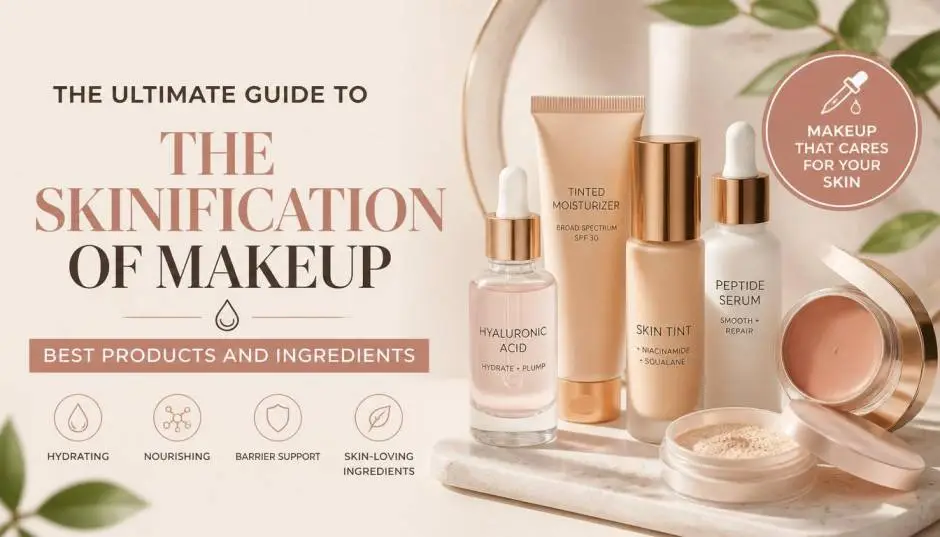
You Must Also Like: The Ultimate Guide to the Skinification of Makeup: Best Products And Ingredients
The catch: Turmeric stains. Use an old towel. Don't wear white.
This combination works because turmeric fights inflammation while yogurt gently exfoliates with lactic acid . I applied it Monday and Thursday nights. That's it.
Aloe Vera Gel — The Reliable One
Fresh aloe vera from the leaf beats store-bought gel every time. I cut a leaf, scooped the gel, and applied it after cleansing. It calmed my razor bumps and sunburn within hours.
Pro tip from my experience: Rinse the yellow latex off the cut leaf first. That part irritates skin.
Multani Mitti for Oily Days
This clay pulls oil without stripping your barrier. I used it only on my T-zone during humid months. Full-face application dried out my cheeks. Lesson learned.
Who this is NOT for: Dry or mature skin. It's too absorbent.
Rose Water — Simple, Effective, Overhyped
I use rose water as a toner after cleansing. It refreshes. It balances pH slightly. But it won't “tighten pores” permanently. No toner does that. Pores don't open and close like windows.
Skin Care in Hindi Well Health Organic: What I'd Tell a Friend?
If you search “skin care in Hindi well Health Organic,” you'll find hundreds of pages. Most repeat the same five ingredients. Here's what those pages miss.
First, understand your skin type. Wash your face with a mild cleanser. Wait 30 minutes. Don't apply anything. Now touch your face.
-
Shiny everywhere? Oily.
-
Tight and flaky? Dry.
-
Oily T-zone, dry cheeks? Combination.
-
Redness or stinging? Sensitive.
This takes two minutes. It saves months of wrong product purchases.
Second, stop over-washing. I used to wash my face four times a day. My skin produced more oil to compensate. Now I wash twice morning and night. My acne decreased by half.
Third, sunscreen matters more than any mask. I don't care how organic your routine is. If you skip sunscreen, you're undoing everything. UV rays cause the dark spots you're trying to fade. Use SPF 30 or higher daily. Yes, even indoors. Windows don't block UVA.
How to Avoid Wasting Money on “Organic” Products?
The organic label sells. That's the problem.
I bought a “100% organic” face wash that contained three synthetic preservatives. The label lied. Here's how to check before you pay.
Read the ingredient list, not the front label. “Organic” and “natural” have no legal definition in most countries. Look for specific certifications if that matters to you.
Start with one product. Don't replace your entire routine. Fix your biggest problem first. Acne? Try a gentle cleanser and turmeric spot treatment. Dryness? Aloe vera or almond oil. Pick one change. Test it for three weeks.
Avoid these red flags:
-
“Instantly fairer skin” — no topical product changes skin color permanently
-
“Removes dark spots in 3 days” — impossible
-
Products with “fragrance” listed high on the label common irritant
I tested a popular organic brand that smelled amazing. Within two days, my cheeks turned red. The culprit? Synthetic fragrance. I switched to unscented aloe gel. Problem gone.
When Organic Isn't Enough: Safety Considerations
I'm not a doctor. I'm someone who's made mistakes and learned from them. Here's when you should stop DIY and see a professional.
Cystic acne — deep, painful bumps need medical treatment. Turmeric won't fix hormonal acne.
Sudden rashes or swelling — stop everything. You're having a reaction.
Pigmentation that spreads — could signal a thyroid issue or other condition.
Moles that change shape or color — see a dermatologist immediately.
One more thing: don't use lemon juice directly on your face. I tried it once. My skin burned. The “natural bleaching” myth needs to die. Lemon is too acidic. It damages your barrier. Use it in diluted form only if you must and never before sun exposure.
The Routine That Finally Worked for Me
After eight months of testing, here's what stuck:
Morning: Gentle cleanser → rose water → moisturizer (aloe gel for summer, almond oil for winter) → SPF 30.
Night: Remove sunscreen with oil cleanse → gentle cleanser → turmeric-yogurt mask (twice weekly) → aloe vera gel.
Weekly: Multani mitti only on T-zone. Oatmeal scrub once.
That's it. Six products. Mostly from my kitchen. My skin is calmer than it's been in years.
What I'd Do Differently If I Started Today?
I wasted money on three organic serums that did nothing. I over-exfoliated and damaged my barrier. I believed “natural” meant “gentle.” If I could restart:
-
Patch test every new ingredient on my inner arm for two days.
-
Start with one remedy — turmeric-yogurt — for a full month before adding anything else.
-
Buy sunscreen first, before any masks or oils.
-
Take photos weekly. Progress feels invisible without comparison.
Organic beauty works. But it works slowly, honestly, and only if you pay attention to what your skin tells you. The best routine is the one you'll actually follow not the one that looks best on Instagram.
Your skin doesn't need ten steps. It needs consistency, sun protection, and a little patience. Start there.