Luxury is no longer as it were approximately tall costs and rare items. Nowadays, luxury is almost an experience, values, and individual meaning. Advanced culture is changing quickly, and the luxury lifestyle is changing with it.
Individuals presently expect more than magnificence and status. They need reason, consolation, and identity. In this blog, we will investigate how the luxury lifestyle is shaping modern culture. We will clarify trends in the extravagant design industry. Moreover, "Extravagance in Move" is presently key for worldwide brands' future development.
What Is Luxury Lifestyle Today?
Luxury way of life once implied owning costly things. It implied designer dress, luxury cars, and huge homes. That definition has changed.
Read Also: How Social Media Is Shaping Fashion & Beauty Culture?
Today, extravagance is approximately how individuals live, feel, and interact. People esteem experiences more than things. They value comfort more than showing off. People favor personal style over loud branding. Luxury is presently seen as:
- Quality over quantity
- Experience over ownership.
- Meaning over price.
This move is impacting present-day culture in effective ways.
The Shift In Consumer Mindset
Modern buyers have a different viewpoint. Younger generations, especially Millennials and Gen Z, see luxury in a modern way. They care about sustainability, morals, and authenticity. People presently inquire questions like:
- How was this item made?
- Is the brand ethical?
- Does this item reflect my values?
Because of this alter, brands are adjusting. This move is clear in extravagance mold industry patterns around the world.
Luxury Fashion Industry Trends Shaping Culture
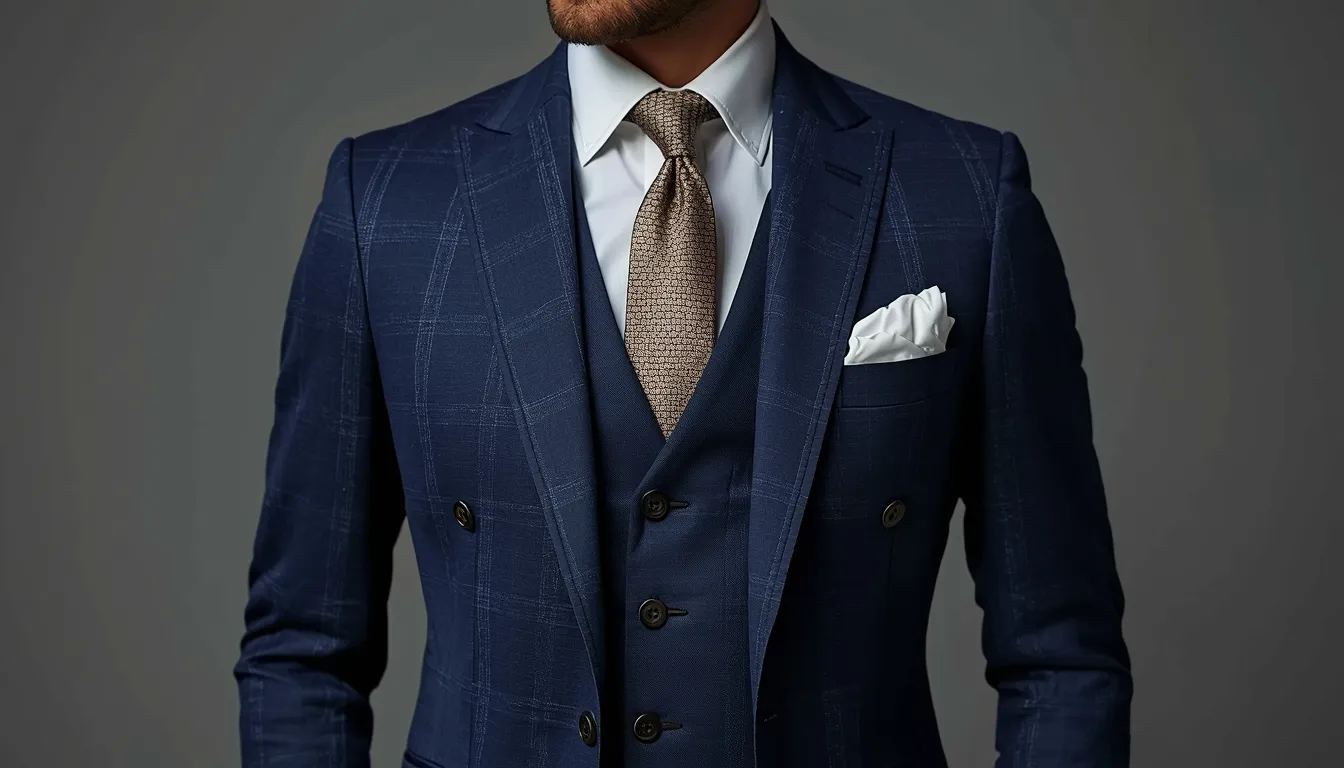
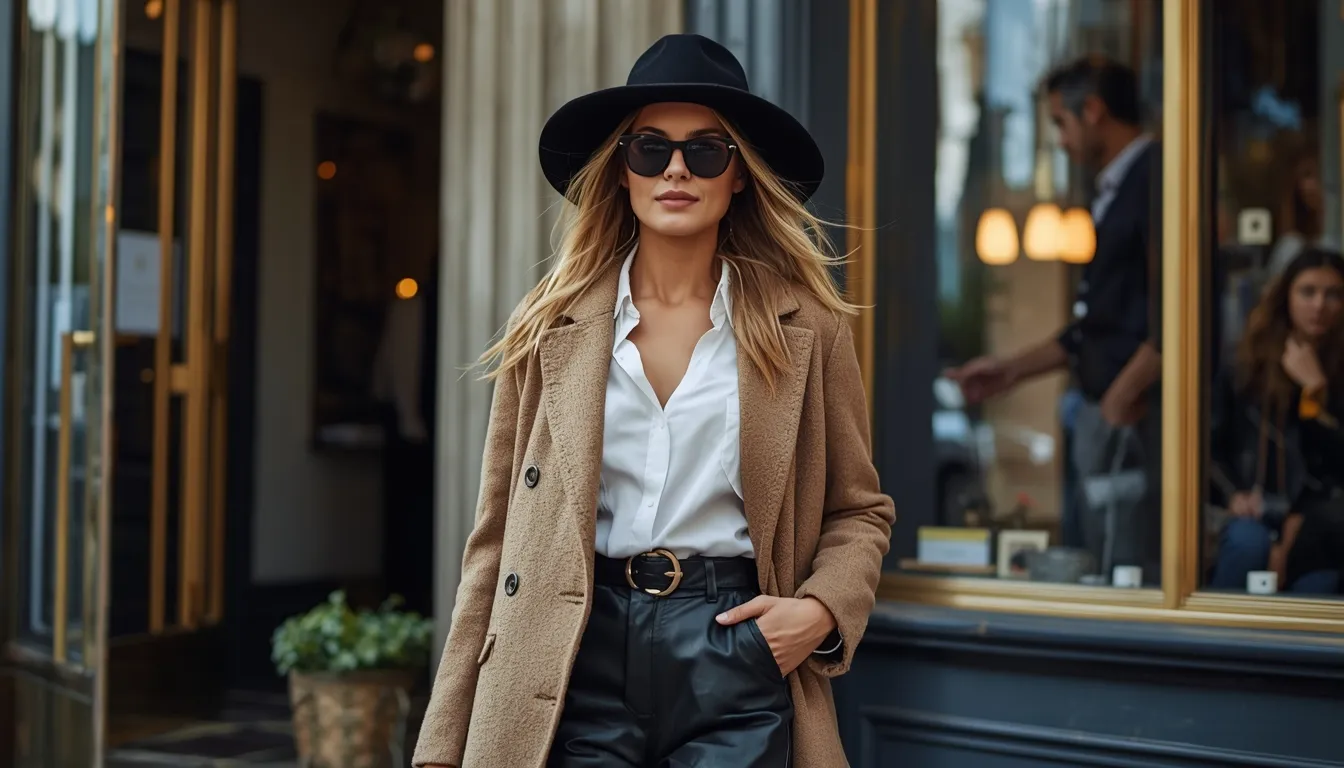
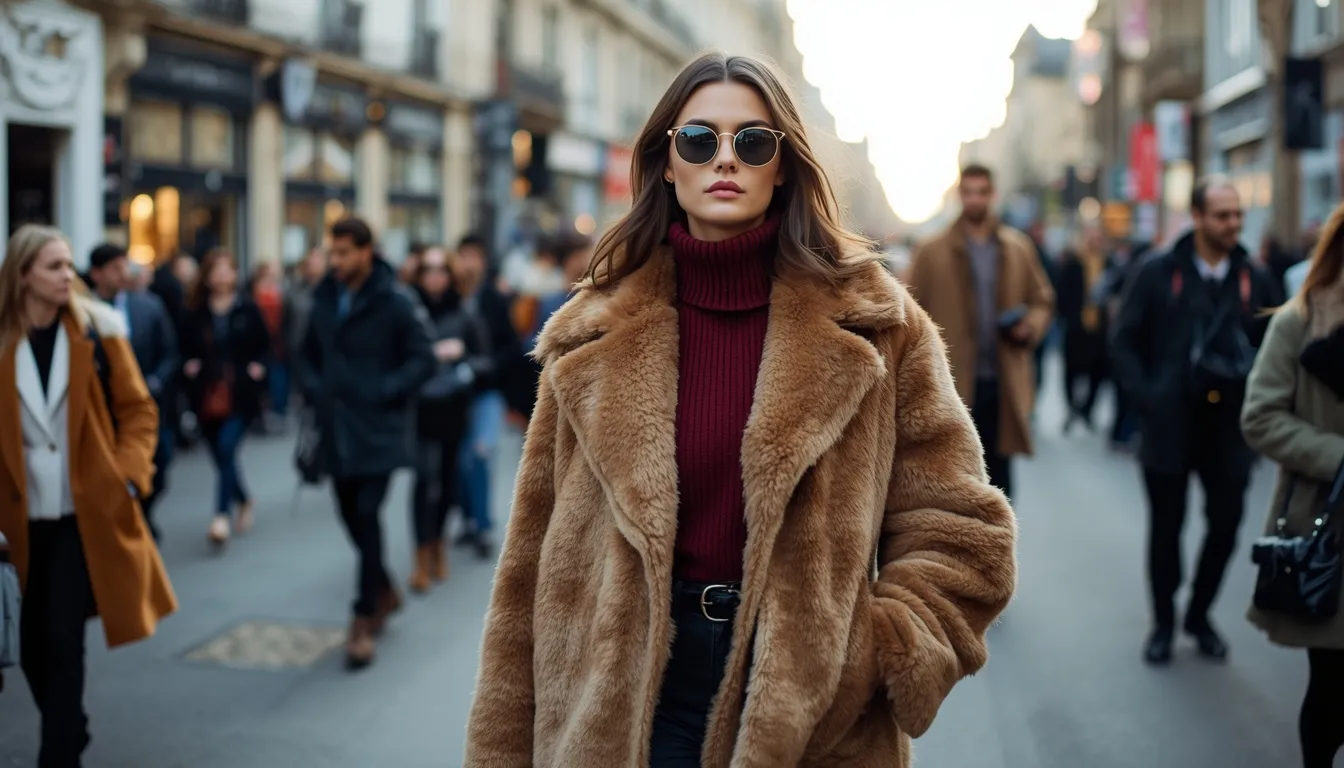
Fashion plays a enormous part in the luxury lifestyle. It reflects culture, personality, and social values. Some key luxury fashion industry trends include:
- Materials that are cheap and production methods that are eco-friendly.
- Minimalist plans with ageless appeal
- Gender-neutral fashion
- Custom-made and personalized products
Luxury design is presently calmer. Logos are smaller. Plans are cleaner. Brands center on craftsmanship and storytelling.
This approach connects much better with modern buyers. It also reshapes how mold impacts culture.
Experience Is the New Luxury
Modern extravagance is less about owning and more about almost experiencing. Individuals esteem travel, wellness, and interesting moments. Examples of luxury encounters include:
- Private travel and curated vacations
- Wellness withdrawals and spa experiences.
- Fine dining with nearby and natural foods
- Personalized services
These encounters create recollections. They also make emotional associations. This is why encounters are becoming central to the luxury lifestyle.
Technology and Digital Luxury
Technology is redefining luxury culture. Advanced stages are currently a part of luxury living. Luxury brands are using:
- Virtual mold shows.
- Online personalization tools
- Digital extravagance stores
- AI-based client service
Social media also plays a key part. Luxury is currently shared online. Influencers and makers shape opinions. Digital change helps luxury brands develop and remain relevant. It keeps them associated amid changes.
Sustainability As a Extravagance Value
Sustainability was once discretionary. Now, it needs to. Luxury customers expect brands to appear dutiful in their actions. Luxury brands are now:
- Using reused and natural materials.
- Reducing waste and emissions.
- Supporting reasonable labor practices
- Investing in a circular fashion
People see sustainable luxury as premium. Individuals regard moral choices. This alter is having a profound effect on present-day culture. Sustainability is no longer a drift. It is a long-term commitment.
Luxury and Identity
The luxury lifestyle is becoming individual. Individuals use extravagance to express who they are. Consumers select things that appear to reflect their character, not patterns. Customization is developing.
You Must Also Like: Street Culture vs High Fashion: Where Trends Begin?
Restricted versions are popular. This personal approach changes how culture sees extravagance. It gets to be inclusive or maybe than exclusive. People no longer buy extravagance to awe others. They buy it to feel at peace with themselves.
Global Impact of Luxury Lifestyle
Luxury culture is worldwide. But it is moreover nearby. Brands are blending worldwide demand with local culture. For example:
- Local craftsmanship is being celebrated.
- Cultural legacy is impacting design.
- Regional styles are gaining global attention.
This change helps brands interface with assorted audiences. It moreover supports Luxury in motion. This helps secure future development by growing its worldwide reach and remaining true to its roots.
Wellness and Slow Living
Wellness is presently a central part of the luxury lifestyle. Individuals value health, balance, and peace more than speed and stress. Luxury presently includes:
- Mental wellness
- Physical health
- Work-life balance
- Mindful living
Slow living is becoming optimistic. Individuals need calm, space, and time. This social move is rethinking victory itself.
Luxury is no longer boisterous. It is calm and intentional.
The Role of Storytelling in Luxury
Modern luxury depends on storytelling. Shoppers need to know the story behind a product. They care about:
- Brand heritage
- Craftsmanship
- People behind the product
- Cultural inspiration
Strong narration builds belief. It creates emotional esteem. This is a key part of modern luxury fashion industry trends. A great story makes extravagance meaningful.
Challenges Facing the Luxury Industry
Luxury brands confront many challenges today:
- Changing customer expectations
- Economic uncertainty
- Digital disruption
- Sustainability pressure
To survive, brands must adjust. This is where extravagance in movement, securing future development, becomes important. Brands must innovate while staying true to their core values.
How Luxury in Transition Secures Future Growth?
Luxury is in motion. This move is vital for long-term success. Key strategies include:
- Embracing computerized innovation
- Investing in sustainability
- Focusing on client experience.
- Expanding into unused markets.
Luxury in transition, securing future growth, is not a state. It is a technique. Brands that adjust will flourish. Brands that stand up to alter may struggle. This altar influences culture by establishing new standards for quality, morals, and lifestyle.
Luxury and Modern Work Culture
The luxury lifestyle is affecting how individuals work. Flexible plans, remote work, and quality workspaces are presently seen as extravagant benefits. Modern experts value:
- Time freedom
- Comfortable environments
- Purpose-driven work
Luxury is currently connected to flexibility and choice. This rethinks victory in cutting-edge culture.
Conclusion
Luxury lifestyle is rethinking modern culture in profound and enduring ways. It is no longer about riches or status. It is about involvement, character, and values. Through changing luxury fashion industry trends, brands are reacting to modern customer desires. Sustainability, personalization, and advanced advancements are driving the way.
Luxury in move appears how the industry is adjusting. This move secures future development and makes a difference it remain pertinent and strong. Luxury nowadays is astute. It is deliberateness. It is meaningful.
As culture changes, the luxury lifestyle will impact our lives, work, and self-expression. The future of extravagance is not beautiful—it is deliberate.