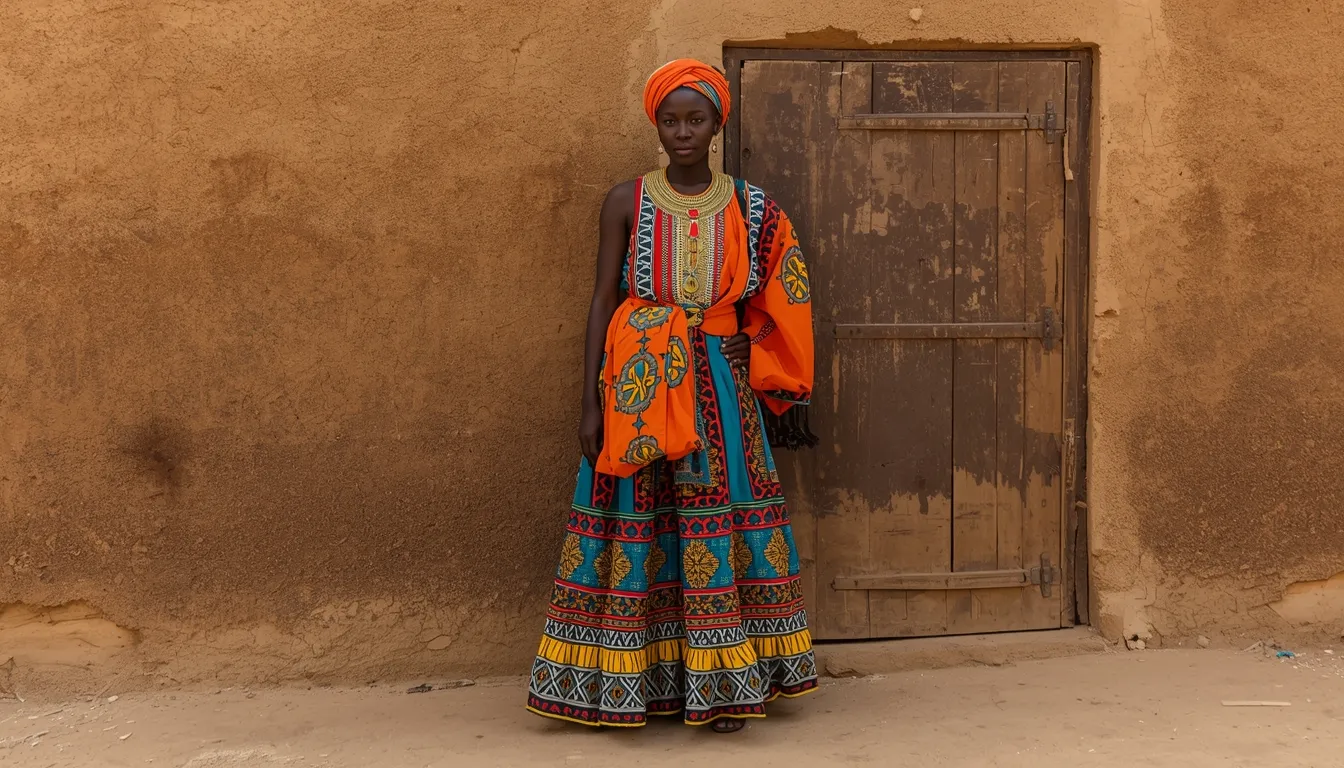
Why has oral tradition been so important in West Africa? Oral tradition has played a exceptionally vital role in West Africa for centuries. Individuals shared information by word of mouth. Individuals told stories aloud.
Individuals recalled history through discourse, music, and execution. This framework made a difference communities survive, develop, and remain united.
In this blog, we will investigate why oral tradition matters so much in West Africa. We will moreover connect it to culture, every day life, and character.
What Is Oral Tradition?

Oral tradition is the passing of information through talked words. People tell stories. People sing tunes. Individuals share sayings. Instructors rehash lessons.
Read Also: Understanding the Fast Fashion Environmental Impact and Consumer Choice
In West Africa, composing systems were not continuously utilized. Many societies depended on memory. Senior citizens and storytellers kept information lively. This information included history, values, laws, and beliefs.
Oral tradition preserved culture. They protected the identity. The community strengthened its bonds.
Why Writing Was Not Always Used?
Before colonization, numerous West African societies did not depend on composed records. This does not cruel they needed insights or structure. They put away information in a distinctive manner.
People trusted oral convention. Prepared memory. Individuals tuned in with extraordinary attention. People regularly rehashed stories.
This framework worked well. Someone seem alter the data to align with unused times. Knowledge remained lively and flexible.
The Part of Griots in West Africa
Griots were professional storytellers. They were too performers and historians. They regarded their part. They esteemed their words. Griots memorized family histories. They told stories of rulers, wars, and heroes.
They prompted pioneers. They taught the young. Griots ensured the oral tradition. History was not forgotten. The community built pride.
Oral Tradition as a Teaching Tool
People utilized oral tradition to educate children. Stories stowed away lessons. Sayings carried intelligence. Songs clarified morals. Children learned how to behave. They taught respect. The community shared its values.
People recollected the stories since they found them curiously. Learning got to be agreeable. Knowledge remained with individuals for life.
Preserving History Through Stories
People transmitted West African history through oral convention. Storytellers recollected occasions through their accounts. They rehashed the names of their ancestors. The content portrayed fights, relocations, and accomplishments in detail.
Each era learned almost the past. Even nowadays, much of what we know approximately early West African realms comes from oral tradition. This incorporates the Mali Realm and the Songhai Empire.
Oral Tradition and Community Identity
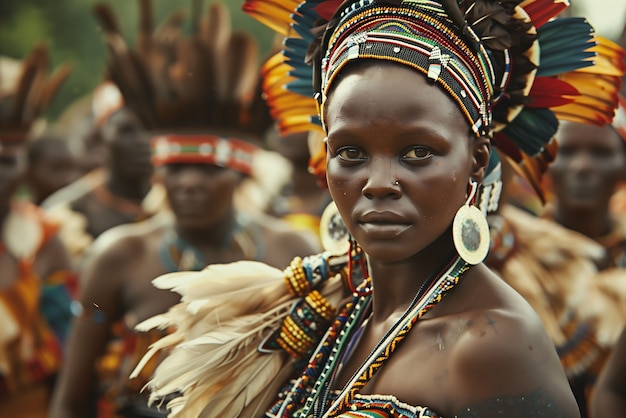
Oral tradition made a difference shape character. Individuals knew who they were. They knew where they came from.
You Must Also Like: Pop Culture Fashion Explored: The Cultural Trend Phenomenon
Stories explained origins. Myths described creation. Legends associated individuals to their lands.
Identity was not composed in books. Individuals talked it in homes and towns. This made culture individual and alive.
Connection Between Oral Tradition and Culture
Culture in West Africa is wealthy and expressive. Music, move, and clothing are imperative parts of it.
Stories are frequently told amid celebrations. Amid ceremonies, individuals sing songs. Storytellers use drums to bolster their narratives.
Clothing too plays a part in social expression. People wear traditional clothing in West Africa amid narrating occasions and celebrations. Colors and designs reflect history and status.
Traditional Clothing and Oral Tradition
Culture is not as it were talked. It is moreover seen. Traditional West African clothing makes a difference to appear personality and heritage. Clothing styles regularly tell stories. Designs may speak to family lines or social parts.
Colors can appear delight, grieving, or celebration. When individuals tell stories, they regularly wear West African traditional clothing. This interfaces talked history with visual culture.
Through clothing and stories, convention gets to be stronger.
Examples of Traditional West African Clothing
Different districts have diverse styles. These styles are portion of identity.
- Kente cloth from Ghana
- Boubou robes from Senegal and Mali.
- People across West Africa wear dashiki shirts.
These are not dress. They carry meaning. They speak to history and pride.
Traditional clothing in West Africa is regularly worn amid oral exhibitions. This includes control to the message that we share.
Oral Tradition and Religion
Religion was moreover instructed through oral tradition. Myths and supplications shared beliefs. Stories clarified the rituals.
Before individuals broadly shared devout writings, they transmitted their confidence through discourse. Elders clarified otherworldly rules. Tunes lauded ancestors and spirits. Even nowadays, oral convention remains imperative in devout practices.
Flexibility of Oral Tradition
One reason oral tradition endured so long is its adaptability. Stories seem alter in little ways. You could include or evacuate details. This permitted convention to adjust. We may incorporate new occasions.
We seem upgrade the lessons. Written records are settled. Oral stories are lively. This made a difference West African societies survive change.
Oral Tradition During Colonial Times
During colonization, colonizers challenged numerous conventions. They presented remote systems. Specialists enforced composed languages. Still, oral tradition survived. Individuals told stories in mystery. Tunes carried hidden messages.
Culture was secured through discourse. Memory guarded identity.
Oral Tradition Today
Oral tradition is still vital nowadays. It exists nearby composing and technology. Family individuals tell stories at get-togethers. Seniors still educate through discourse. Sayings are still utilized in day by day conversation. Music and spoken-word verse proceed the convention. Radio and tv presently spread stories further.
New Education and Oral Tradition
New schools frequently center on books. But oral learning still matters.
In numerous West African classrooms, instructors utilize narrating. Instructors clarify lessons through cases and proverbs.
This makes learning relatable. Students connect with their culture.
Oral Tradition and Language Preservation
Many African dialects were not composed for a long time. Oral tradition made a difference keep them alive.
Stories protect lexicon. Songs secure pronunciation.
Without oral tradition, numerous individuals may have misplaced their languages.
Clothing as a Living Story
Like stories, clothing tells history. Eras pass down traditional West African clothing.
People keep in mind designs and plans. Educates give oral instruction in skills.
Mothers instruct girls. Senior citizens instruct youth. We share information through doing and speaking.
This appears how oral tradition goes past words.
Why Oral Tradition Still Matters?
Oral convention educates tuning in. It builds memory. It makes connection.
In a quick world, it reminds individuals to moderate down. To sit together. To share stories.
- It keeps culture human and warm.
- Linking Oral Tradition and Identity
- Memory shapes personality. Stories keep memory.
When individuals listen stories around their past, they feel glad. They feel connected.
Oral tradition keeps this association strong.
The Part of Clothing in Cultural Memory
When individuals wear West African conventional dress, they appear regard for the past. Clothing gets to be a image. It reminds individuals of stories and ancestors. This is why traditional clothing in West Africa is still imperative today.
Oral Tradition Over Generations
Grandparents tell stories to children. Guardians rehash lessons. This makes coherence. Culture does not break. Each era includes something unused. But the center remains the same.
Conclusion
Oral tradition is vital in West Africa. It makes a difference protect history, culture, and character. It has instructed values. It has built community. It has ensured dialect and beliefs.
Through stories, tunes, and maxims, people shared information. Through execution and memory, culture remained alive. Clothing also played a part. Traditional West African clothing links visual culture to talked tradition.
Together, oral tradition and social expression frame the heart of West African legacy. They remind us that history does not as it were live in books. It lives in individuals, voices, and shared minutes.