I was doing a crossword last week. Got stuck on "fitness items for swinging." Stared at it for a minute. Then it hit me. Kettlebells. Of course. Funny thing is, after I filled in the answer, I kept thinking about kettlebells.
I have a couple at home. They sit in the corner of my garage. Some days I love them. Some days I walk right past them. If you landed here because that same clue tripped you up, welcome.
You got the puzzle answer. But if you are wondering whether to actually buy these things, stick around. I have some thoughts. The answer is kettlebells. That is what fits the puzzle.
But if you searched for fitness items for swinging crossword clue because you want to understand the equipment, here is what matters. No filler. No personal stories. Just clear information about what these tools do and how to choose one.
What a Kettlebell Actually Is?
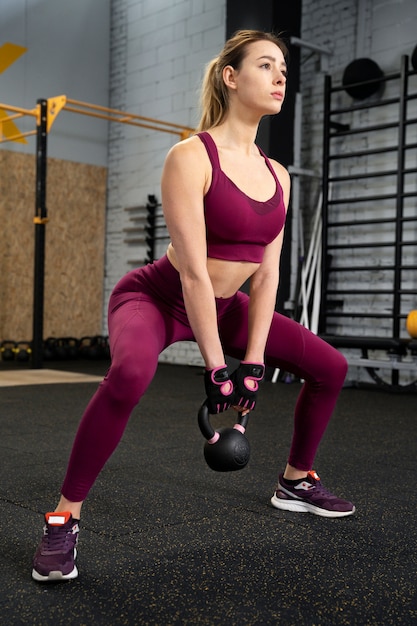
A kettlebell is a chunk of iron with a handle. Simple design. But the shape changes how it handles. With a dumbbell, the weight sits in your palm. The center of mass stays inside your hand. With a kettlebell, the weight hangs below the handle.
Read Also: Best Weight Loss Supplements Doctors Actually Recommend
That offset creates instability. Your muscles have to work harder to control it during movement. That is why swinging makes sense. The design allows the weight to move in arcs. You can hold it still, but the real value shows up when it moves.
The basic swing works like this. Hinge at the hips. Let the weight travel back between your legs. Drive forward with the hips. The bell floats up. Arms just guide it. The power comes from the legs and backside.
Picking the Right Weight
Weight selection matters most. Too light feels wrong. Too heavy breaks form. Here are typical starting points.
Men with some gym experience usually start with 16kg. That is 35 pounds.
Women with some gym experience usually start with 12kg. That is 26 pounds.
People new to strength training start lighter. 8kg or 10kg works. That is 18 to 22 pounds.
These numbers assume you are learning the movement. Later you might want heavier. Many people end up owning two. One for high reps. One for heavy work.
What They Are Made Of?
Three common types exist. Each has pros and cons.
Cast iron. Standard choice. One solid piece. Handles vary by brand. Some are smooth. Some are rough. They last forever unless dropped on concrete repeatedly.
Competition style. Same size regardless of weight. A 12kg bell measures the same as a 24kg bell. Handle shape stays consistent. Helps with technique. Common in kettlebell sport.
Coated. Rubber or vinyl covering. Protects floors. But coating wears over time. Some cheap ones use hollow construction under the coating. Balance suffers. Not ideal for swinging.
Handles Matter Most
The handle determines how the tool feels. Pay attention to three things.
Thickness. Thicker handles challenge grip more. Some people like that. Others find it uncomfortable. Competition handles run 33 to 35mm usually. Cast iron varies.
Texture. Powder coat gives grip without tearing skin. Raw iron can rust. Smooth paint gets slippery when hands sweat.
Shape. Most are round. Some have a flat spot. Flat helps with certain positions but matters less for swings.
What to Check Before Buying?
Buying online means checking return policies. Buying in store means inspecting the actual item. Run your hand over the handle. Feel for seams or rough patches. Casting seams cause blisters during long sets.
You Must Also Like: Muscle Building Supplements That Are Backed by Science
Hold the bell at your side. Does it feel balanced? Cheap ones sometimes have handles off center. Weight shifts unevenly. Look at the bottom. Flat bottom lets the bell stand upright.
Round bottom requires careful placement but is common on competition bells. Check the horns. Where handle meets the ball should be smooth. Sharp spots pinch skin.
Space Needs
Kettlebells need room to move safely. Think about your workout area before buying. Two handed swings need space in front and behind. The bell travels forward to chest height and back between the legs.
Low ceilings limit overhead moves like presses. Floor surface matters. Dropping cast iron on tile or wood damages both. Rubber mats help. Coated bells reduce floor damage but can still dent if dropped hard.
Storage is easy. Shelf or corner works. But these are dense. A 16kg bell weighs 35 pounds. A shelf rated for 50 pounds total might fail with multiple bells. Wall mounts exist and keep them accessible.
Basic Movements
These are the main things people do with kettlebells.
Swing. The main move. Hits glutes, hamstrings, back, grip. Gets the heart going. Sets of 10 to 20 reps are common.
Goblet squat. Hold the bell by the horns against your chest. Squat down. Good for learning squat depth with less spinal load.
Turkish get up. Start lying down. End standing with bell overhead. Builds shoulder stability and coordination. Use light weight.
Clean and press. Bring bell from swing to shoulder. Then press overhead. Combines lower body drive with upper body strength.
Snatch. Bring bell from swing straight overhead in one move. Advanced. Requires shoulder mobility.
Safety Points
Kettlebells are safe with good form. But they punish mistakes.
Lower back pain means form is wrong. Happens when people lift with their back instead of hips. The swing should feel in glutes and hamstrings. If it hurts your spine, stop and fix technique.
Wrist pain happens during cleans if the bell smacks the forearm. Keeping the bell close to the body during the float reduces impact.
Calluses are normal. They form where the handle sits. Hook the handle with fingers instead of crushing it in your palm. That reduces skin pinching.
What Things Cost?
Prices depend on brand, material, and where you buy.
Cast iron runs $1.50 to $2.50 per pound. A 16kg bell costs $50 to $80 depending on shipping.
Competition bells cost more. $100 to $200 each. Uniform size and precise handles justify the price for some.
Coated bells are often cheaper. Sometimes $1 per pound or less. Quality varies a lot. Check coating thickness and handle attachment.
Used kettlebells hold value. Cast iron does not wear out. Check for cracks near the handle before buying used. Rust on the ball is cosmetic. Rust on the handle affects grip.
Taking Care of Them
Cast iron needs almost nothing. Keep dry to prevent rust. If rust appears on the ball, scrub with wire brush. Apply light mineral oil if you want. Handles get slick from sweat or chalk. Clean with mild soap and water.
Some people use chalk for dry hands. Some use lotion. Depends on your skin. Rubber coated bells need inspection. If coating tears, moisture gets in. Rust expands and makes the tear worse.
How They Compare to Other Weights?
Kettlebells fit between dumbbells and barbells. Dumbbells are better for isolation work. Curls. Lateral raises. But they do not swing well because weight stays centered.
Barbells allow heavy loading for squats and deadlifts. Better for pure strength. But need more space and usually a rack.
Kettlebells excel at dynamic high rep work. Build conditioning alongside strength. Space efficient. Versatile. But do not replace barbells for max strength or dumbbells for isolation.
Who Gets the Most Use?
Some training styles match kettlebells better. People with limited space benefit. One bell provides many options. People wanting combined strength and cardio benefit. Swing intervals spike heart rate while building muscle.
People recovering from certain injuries may benefit. Hip hinge pattern works posterior chain without spinal compression. But ask a professional first.
People focused on powerlifting may find limited use. Good for accessory work but not main lifts.
What to Skip?
Some products waste money. Adjustable kettlebells with plates and screws often feel unbalanced. Weight shifts during dynamic moves. Fine for static holds. Bad for swings.
Plastic shells filled with sand or sand and water break. Handles snap. Shells crack on impact. Very cheap cast iron often has rough seams. You can sand them smooth but that takes work. Better to buy from known brands.
The Simple Truth
The crossword clue pointed to kettlebells because swinging defines what they do. Cast iron tools with a specific purpose. Used right they build strength and conditioning. Chosen wrong they sit in corners.
Pick weight that challenges your movement. Check handle quality first. Leave space to move safely. Learn hip hinge before adding speed. That is the information behind the puzzle. No stories. No opinions. Just what works.