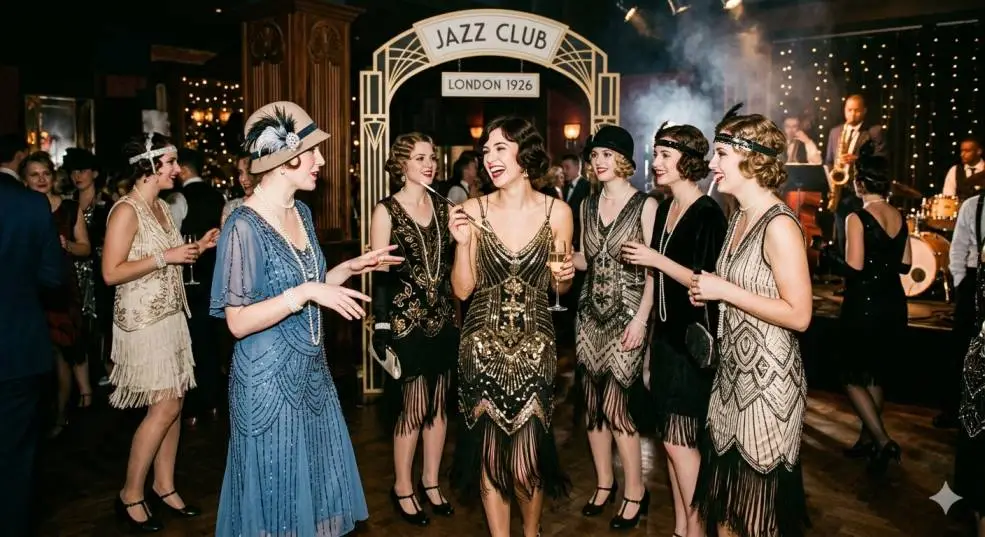
When you think of 1920s fashion trends for women, the image that likely springs to mind is a flapper: think glittering fringe, a sleek bob, and a long cigarette holder.
And while the flapper is certainly the era’s most iconic export, the reality of 1920s fashion is far richer, more practical, and surprisingly wearable than the Hollywood stereotype suggests.
I have spent years collecting vintage pieces, studying pattern drafts from the period, and (attempting) to wear drop-waist dresses in daily life. If you are looking for authentic inspiration or trying to incorporate this fabulous decade into your wardrobe today, you need more than just hype.
You need to know what actually worked, what looked good on real bodies, and what pieces are worth your money. Let’s strip away the misinformation and look at the genuine 1920s fashion trends for women, from the casual day dresses to the extravagant evening wear.
Why the 1920s Still Matters to Fashion Today?
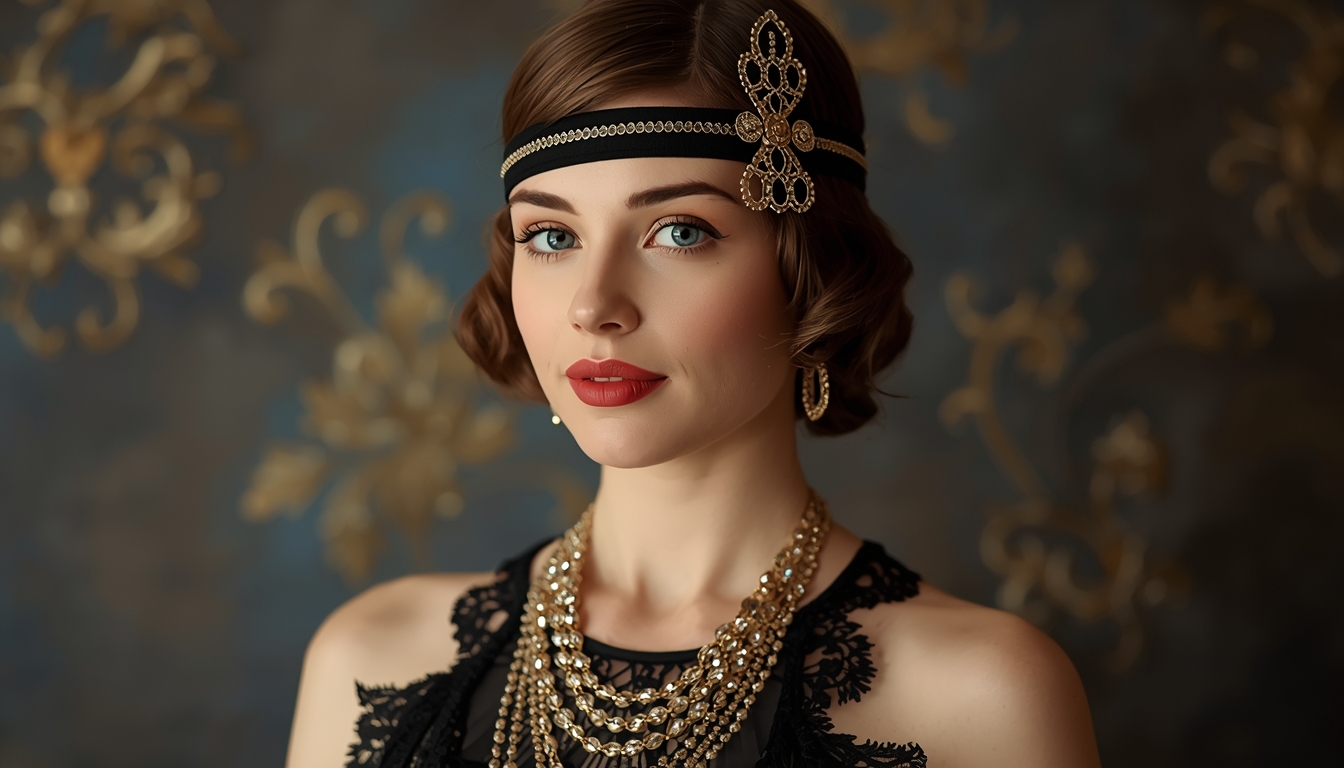
The 1920s was a revolutionary period. World War I had ended. Women had just gained the right to vote. They entered the workforce in droves. For the first time, women’s clothing prioritized comfort and movement over restrictive corsets.
Read Also: Sustainable Luxury Fashion Brands Changing the Industry?
This wasn’t just a change in silhouette; it was a change in identity. The fashion became looser, hemlines rose, and waists dropped. If you are looking for 1920s fashion trends for women today, you are looking at the birth of modern dressing—the moment when women started dressing for themselves.
The Foundation: The Silhouette You Need to Understand
Before you buy anything, you have to understand the shape. The 1920s look is often called the "garconne" (little boy) look. The goal was to create a long, lean, and straight line.
-
The Drop Waist: Instead of cinching at your natural waist, dresses sat loose on the hips.
-
The Shift: Dresses hung straight down, skimming the body rather than clinging to it.
-
The Hemline: For the first time in Western history, women’s legs were visible. Day hems hit mid-calf; evening hems crept up to the knee.
Personal Observation: If you have curves, do not be intimidated by this silhouette. I have a very hourglass figure, and I initially avoided 1920s styles because I thought I would look frumpy.
The trick is in the fabric. Stiffer fabrics hang away from the body and create that columnar shape beautifully.
1920s Women's Fashion Not Flapper: The Everyday Reality
Let’s clear up a massive misconception. Most women in the 1920s were not flappers. The term "flapper" specifically referred to a younger, more rebellious subculture.
If you search for 1920s women's fashion not flapper, you will find a world of practical, stylish, and modest clothing that was worn by the majority.
The Day Dress: The Workhorse of the Wardrobe
For the average woman, fashion was about utility. The day dress was simple.
-
Design: Usually made of cotton or wool jersey. They featured buttons down the front, a simple collar, and three-quarter length sleeves.
-
Pros: They are incredibly comfortable. The jersey knit stretches and moves with you. I own a reproduction jersey day dress, and it is honestly more comfortable than most of my modern sweatpants.
-
Buying Guidance: If you want to buy a reproduction day dress, look for one made of ponte or medium-weight jersey. Avoid cheap, thin polyester that will cling statically to your legs. You want fabric that has "weight" to it so it hangs straight.
The Sweater Set
Yes, the matching twin set was born in the 1920s. It consisted of a button-up cardigan worn over a pullover shell or sweater, often adorned with beadwork or embroidery at the neck.
-
Why it worked: It was easy to layer. You could take the cardigan off if you got warm working in the house or office. It was the ultimate "business casual" of its day.
The Roaring Side: The Flapper Style Guide
Now, for the part everyone loves: the evening wear. The 1920s fashion trends for women flapper style guide casual might sound like an oxymoron, but even the "casual" flapper look was about ease of movement.
You Must Also Like: High-End Fashion vs Fast Fashion: Cost & Quality Comparison
Flapper style was born in the speakeasies, where women needed to dance the Charleston and the Lindy Hop.
The Flapper Dress: Fringe, Beads, and Sequins
This is the investment piece.
-
Construction: Authentic vintage dresses are heavy. I cannot stress this enough. When you pick up a beaded 1920s dress, it feels like you are lifting chainmail. The beads are hand-sewn, often in intricate geometric or Art Deco patterns.
-
The Fringe: Fringe wasn't just for looks. It was functional. It swayed and swung with the dancer's movements, accentuating the motion of the arms and legs.
-
The "Casual" Flapper: For a less formal evening look, women wore dresses with softer embellishments—ribbon work, lace appliques, or simple draped fabric.
The Headwear: The Cloche Hat
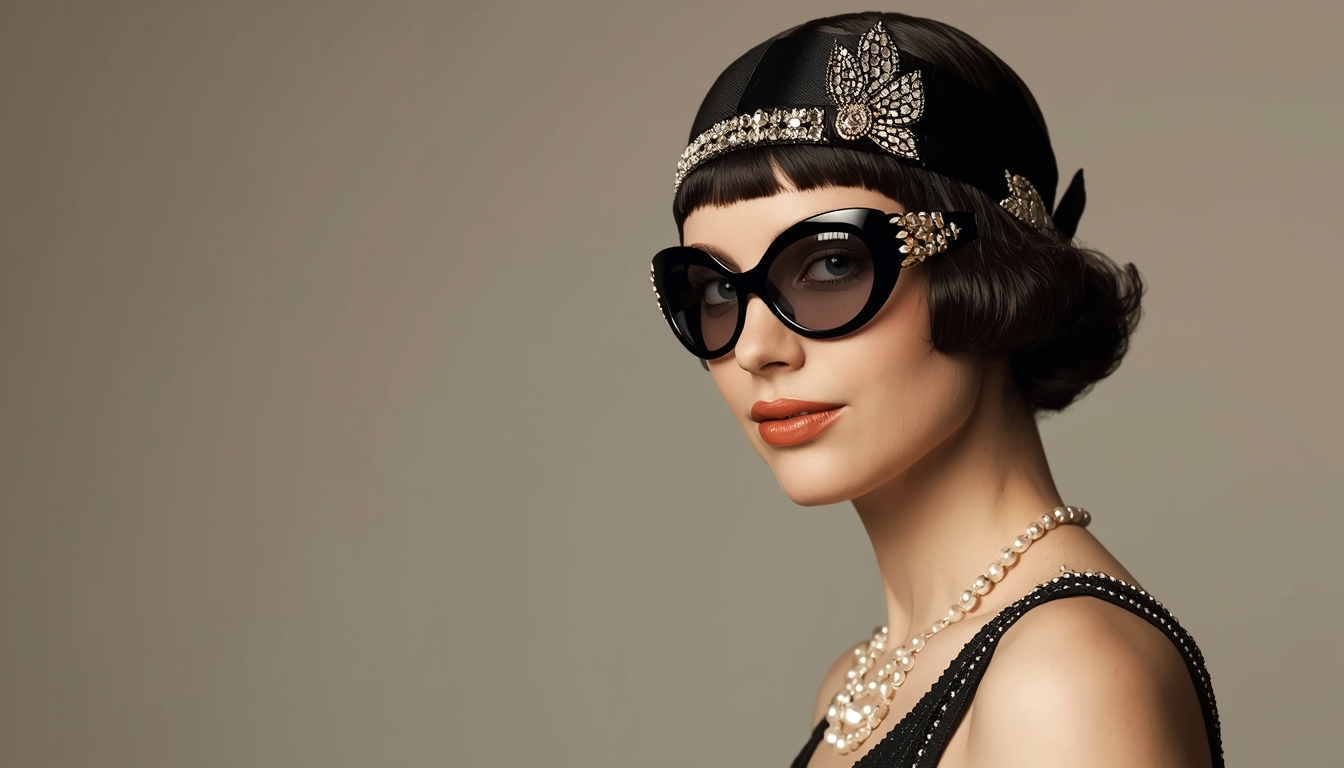
You cannot have 1920s fashion trends for women without the cloche. Designed to fit snugly over the short, cropped hairstyles of the era, the cloche hugged the head like a bell.
-
Practical Advice: If you are buying a modern cloche, pay attention to the material. Wool felt is best for winter and holds its shape. Straw is for summer. They look best when pulled down low, just above the eyebrows.
-
Honest Con: They can mess up your hair. If you have volume on top, a tight cloche will flatten it instantly.
The Essentials: Accessories and Undergarments
You cannot build this look without the right support. Literally.
The "Boyish" Figure: Shapewear
To achieve the straight up-and-down silhouette, women bound their curves. This is a critical safety and comfort consideration for modern women attempting the look.
-
The Solution: The 1920s introduced the "bandeau." This was a simple, straight strip of elasticized fabric worn across the bust to flatten it.
-
Modern Alternative: Do not use a modern push-up bra under a 1920s dress. You will create a silhouette that is completely wrong. You have two options: a modern compression sports bra that minimizes the bust, or a purpose-made "flapper-style" chemise that includes a built-in bandeau. Trying to squeeze into an original 1920s girdle is not recommended—they were not made for our modern nutrition and lifespan!
T-Strap Shoes
Heels were lower and chunkier in the 1920s because women needed to walk and dance.
-
Design: The T-strap shoe (a strap going from the toe box up to the ankle strap) provided stability. They often featured a "Louis" heel—a curved heel that was sturdy but elegant.
-
Buying Guidance: If you buy modern reproductions, look for leather soles or at least flexible rubber soles. Cheap, stiff replicas will destroy your feet within an hour.
Practical Pros and Cons of Embracing 1920s Style
To help you navigate your search for 1920s fashion trends for women, here is a clear breakdown based on my experience wearing and handling these clothes.
The Pros
-
Unmatched Comfort (Daywear): The drop waist means no restriction at your midsection. You can eat a full meal without unbuttoning your pants.
-
Breathability: Natural fabrics like silk, wool crepe, and cotton were the norm. They breathe far better than modern synthetics.
-
Danceability: The clothes were literally designed for dancing. You have full range of motion in your arms and legs.
-
Timeless Elegance: The Art Deco beadwork is true art. Wearing it makes you feel like you are wearing a piece of history.
The Cons
-
The "Tent" Effect: If you buy a drop-waist dress that is too big or made of flimsy fabric, it will look like a tent. It relies on the fabric quality and correct fit across the shoulders and bust to look chic.
-
Dry Cleaning Costs: Beaded dresses are heavy and delicate. They usually require hand-washing (with great care) or professional dry cleaning, which can be expensive.
-
Hairstyle Commitment: The look is truly completed with the hairstyle. Finger waves or a slick bob really sell the outfit, and those styles can be time-consuming to achieve daily.
-
Weight: As mentioned, original beaded dresses are heavy. Wearing one for a full evening will tire your shoulders.
How to Incorporate 1920s Trends Today (Without a Costume)?
You don't need to go full Gatsby to use these trends. Here is actionable, experience-based advice on mixing vintage style with modern life.
1. The Drop Waist for Modern Bodies
Look for modern tops or dresses that have a seam sitting at your hip rather than your waist. A drop-waist top paired with wide-leg trousers (another 1920s invention!) creates a modern, elongated silhouette that is incredibly chic.
-
What to avoid: Avoid drop-waist dresses that are too shapeless. Look for one with a defined hip line or some gathering at the side to give a hint of structure.
2. Art Deco Accessories
This is the easiest win.
-
Long Beaded Necklaces: The "sauteur" was a long necklace, often with a tassel, that hung down to the waist. Wearing one over a plain modern sheath dress instantly adds Art Deco flair.
-
Headpieces: A simple headband with an Art Deco motif can elevate a simple ponytail or loose waves.
3. The Color Palette
Move past the black and gold. 1920s fashion trends for women were bold.
-
Jewel Tones: Emerald green, sapphire blue, and deep ruby red were massive for evening wear.
-
Pastels: Day dresses often came in soft mauves, powder blues, and creams.
-
Earthy Tones: Rust, mustard yellow, and olive green were common in casual knitwear.
Trustworthy Buying Guidance: Original vs. Reproduction
If you are serious about buying a piece, you need to make a choice.
Buying Original Vintage (1920-1929)
-
Pros: The beadwork is unparalleled. The silk is often of a quality we cannot replicate today due to changes in silkworm farming and weaving.
-
Cons: It is fragile. I have owned dresses where the silk "shatters"—it simply turns to dust along the creases due to age and light exposure. Sizing was also much smaller. A 1920s "medium" is roughly a modern US size 2-4.
-
Trust Check: Look for rust marks on beads (a sign of age) and check the armpits for sweat stains and deterioration. Smell is also a factor; vintage storage smell can be hard to remove.
Buying Quality Reproductions
-
Pros: Sized for modern bodies. Durable and can be dry-cleaned without (as much) fear. You can actually dance vigorously without hearing the seams pop.
-
Cons: Modern beadwork is often machine-sewn and glued, which looks flat compared to the 3D texture of hand-sewn beads. Polyester satin does not drape like silk.
-
My Recommendation: For your first piece, buy a high-quality reproduction from a company that specializes in vintage patterns. It will fit better and last longer. Save the investment in fragile originals for when you truly understand the care they require.
Safety and Care Considerations
-
Dancing: If you wear fringe, be aware of your surroundings. Fringe can easily get caught on buttons, jewelry, or other dancers.
-
Storage: Store beaded dresses flat, never on a hanger. The weight of the beads will pull on the delicate silk threads at the shoulders and rip the dress over time.
-
Jewelry: Long necklaces are gorgeous, but they can catch on tabletops or get stepped on while dancing. Be mindful.
The 1920s gave women a new way to move through the world. Whether you are looking for the casual comfort of a knit day dress or the dazzling statement of a flapper gown, the era offers a depth that goes far beyond the fringe. It is about freedom, movement, and a little bit of rebellion—and that is a trend that never goes out of style.