Weight loss is a topic that people frequently discuss, debate, and misunderstand. There's plenty of information and misinformation about fad diets and new exercise trends. But what’s the truth about weight loss? What actually works, and what is a passing trend?
If you’ve been trying to shed some pounds, you’ve probably encountered a range of weight loss methods, each promising results in a short time. Sustainable weight loss isn’t about quick fixes.
It’s about a balanced diet, regular exercise, and a healthy lifestyle. Let’s explore the facts about weight loss. We’ll look at popular methods like intermittent fasting, healthy diets, and foods that aid weight loss.
What Is The Truth About Weight Loss?

The Truth About Intermittent Fasting and Weight Loss
One of the most popular trends in weight loss today is intermittent fasting. But what is the truth about intermittent fasting and weight loss? Does it really work?
Read Also: Melissa McCarthy Weight Loss Journey: Diet And Workout
Intermittent fasting (IF) means alternating between eating and fasting. You limit food intake for part of the day and eat during specific hours.
Common types of intermittent fasting are the 16/8 method and the 5:2 method.
In the 16/8 method, you fast for 16 hours and eat in an 8-hour window.
For the 5:2 method, you eat normally for five days and cut calories on two non-consecutive days.
Some people succeed with intermittent fasting. Yet, the truth about it and weight loss is more complex. The key to weight loss is creating a calorie deficit—burning more calories than you consume.
Intermittent fasting can help some people reduce their calorie intake, making it easier to lose weight. Yet, skipping meals does not provide a quick solution.
What works with intermittent fasting:
-
Calorie control: Many people find that restricting the eating window helps them eat fewer calories .
-
**Improved Metabolic Health:** Some research suggests that intermittent fasting helps insulin sensitivity. It might also reduce inflammation, which can support weight management over time.
-
Simplicity: Some people find IF easier to follow than traditional calorie-counting methods.
The downsides:
-
Fasting can leave you feeling intense hunger, which might lead to overeating during your eating windows.
-
Sustainability: For some, intermittent fasting may be difficult to maintain over the long term.
Bottom line: Intermittent fasting works for some people, but it’s not for everyone. It’s important to listen to your body and choose a method that fits your lifestyle and preferences.
What is the Healthiest Diet to Lose Weight?
When it comes to losing weight, many people wonder what is the healthiest diet to lose weight? Many diets exist, like keto, paleo, and plant-based. Each claims to provide the best results. A balanced, sustainable diet tailored to your needs is the healthiest option for weight loss.
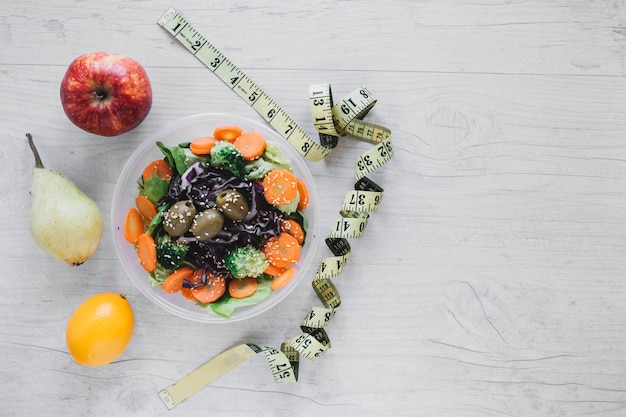
A healthy weight loss diet should include:
-
Whole foods: fruits, vegetables, whole grains, lean proteins, and healthy fats.
-
Balanced macronutrients: A mix of carbohydrates, proteins, and fats to keep you energized and satisfied.
-
Part control: Healthy foods can still lead to weight gain if you eat too much. Part control helps you manage your calorie intake.
-
Variety: Eating a variety of foods ensures that your body gets all the essential nutrients it needs.
Here are a few diet plans that can help you lose weight healthily:
You Must Also Like: What Are The Health Related Components of Physical Fitness?
-
Mediterranean Diet: This diet emphasizes whole foods. It has healthy fats from olive oil, lean proteins like fish and chicken, and plenty of veggies. Research has shown that it supports weight loss, improves heart health, and reduces inflammation.
-
DASH Diet (Dietary Approaches to Stop Hypertension): This diet helps lower blood pressure. It focuses on fruits, vegetables, whole grains, lean proteins, and low-fat dairy. It is well-balanced and can promote healthy weight loss.
-
Plant-Based Diet: A diet can be fully vegan or include more plant-based meals. These diets are often lower in calories and high in fiber. This makes them great for weight loss.
What’s the key takeaway? The best diet for weight loss includes whole, nutrient-rich foods. It should also be easy to follow for the long haul. There’s no need to follow a restrictive, temporary diet. Instead, aim for a well-rounded approach that you can maintain.
Foods That Help You Lose Weight
You've likely heard, you are what you eat. This is especially true for weight loss. Some foods can help you lose weight. They make you feel fuller longer, boost your metabolism, and help control blood sugar. These foods not only support weight loss but also contribute to health. Here are some foods that can aid in weight loss:
1. Leafy Greens
Leafy greens like spinach, kale, and Swiss chard are low in calories but packed with fiber, vitamins, and minerals. The fiber helps you feel full, reducing the likelihood of overeating. Plus, they’re high in antioxidants, which promote health.
2. Lean Proteins
Proteins are known to increase satiety, helping you feel full for longer. Lean proteins like chicken breast, turkey, tofu, and fish are great choices for weight loss. Protein also helps preserve muscle mass, which is important when losing weight.
3. Whole Grains
Whole grains, such as brown rice, quinoa, and oats, are rich in fiber and nutrients. Unlike refined grains, they don’t cause a spike in blood sugar, which helps keep cravings at bay. The fiber in whole grains also aids digestion and keeps you feeling full.
4. Eggs
Eggs are a fantastic source of protein and healthy fats. Eating eggs for breakfast can lower hunger and support weight loss, studies show. They’re also rich in essential nutrients, making them a great addition to any healthy diet.
5. Avocados
Avocados are rich in healthy fats. They contain monounsaturated fats, which can lower bad cholesterol and help you feel full. Their fiber content helps with digestion. This makes them a good choice for weight loss.
6. Berries
Berries such as strawberries, blueberries, and raspberries are high in antioxidants and fiber. They're also low in calories. High fiber helps digestion and keeps you full. Antioxidants in them fight inflammation in the body.
7. Greek Yogurt
Greek yogurt is high in protein, which helps you feel fuller for longer. It also contains probiotics, which can improve gut health and support digestion. Look for plain, unsweetened Greek yogurt to avoid added sugars.
What about foods to avoid? Processed foods with a lot of sugar, trans fats, and refined carbs can make losing weight tough. They can also harm your health. Stick to whole, nutrient-dense foods to see better results.
The Role of Exercise in Weight Loss
While diet plays a major role in weight loss, exercise is also crucial for long-term success. Physical activity helps you burn calories, build muscle, and improve your health.
The truth about exercise and weight loss is simple: the more active you are, the more calories you burn, which helps you achieve a calorie deficit. You don’t have to hit the gym every day to see results.
Even small changes, like walking more, taking the stairs, or doing home workouts, can make a difference. Combine aerobic exercises, like walking, running, or cycling, with strength training. This mix helps maximize fat loss and keeps your muscles strong.
Mindset Matters
The truth about weight loss is that it’s not about food and exercise. A healthy mindset is essential for success. Weight loss requires patience, consistency, and self-compassion. Set realistic goals, celebrate small wins, and don’t be discouraged by setbacks.
Remember, sustainable weight loss is a journey. It’s about making gradual, positive changes to your lifestyle, not about seeking a quick fix. Keep your focus on health and well-being rather than a number on the scale.
Conclusion
So, what is the truth about weight loss? The truth is that there is no one-size-fits-all solution. Sustainable weight loss means finding balance. Focus on a healthy diet full of nutrients, exercise regularly, and keep a positive mindset.
The truth about intermittent fasting and weight loss is that it can work for some, but it’s not the only way. The best diet for weight loss is one you can stick to over time. Include foods that support weight loss in a balanced, nutrient-rich meal plan.
Ultimately, weight loss isn’t about perfection; it’s about consistency. So, take it one step at a time, be kind to yourself, and remember that lasting change takes time.