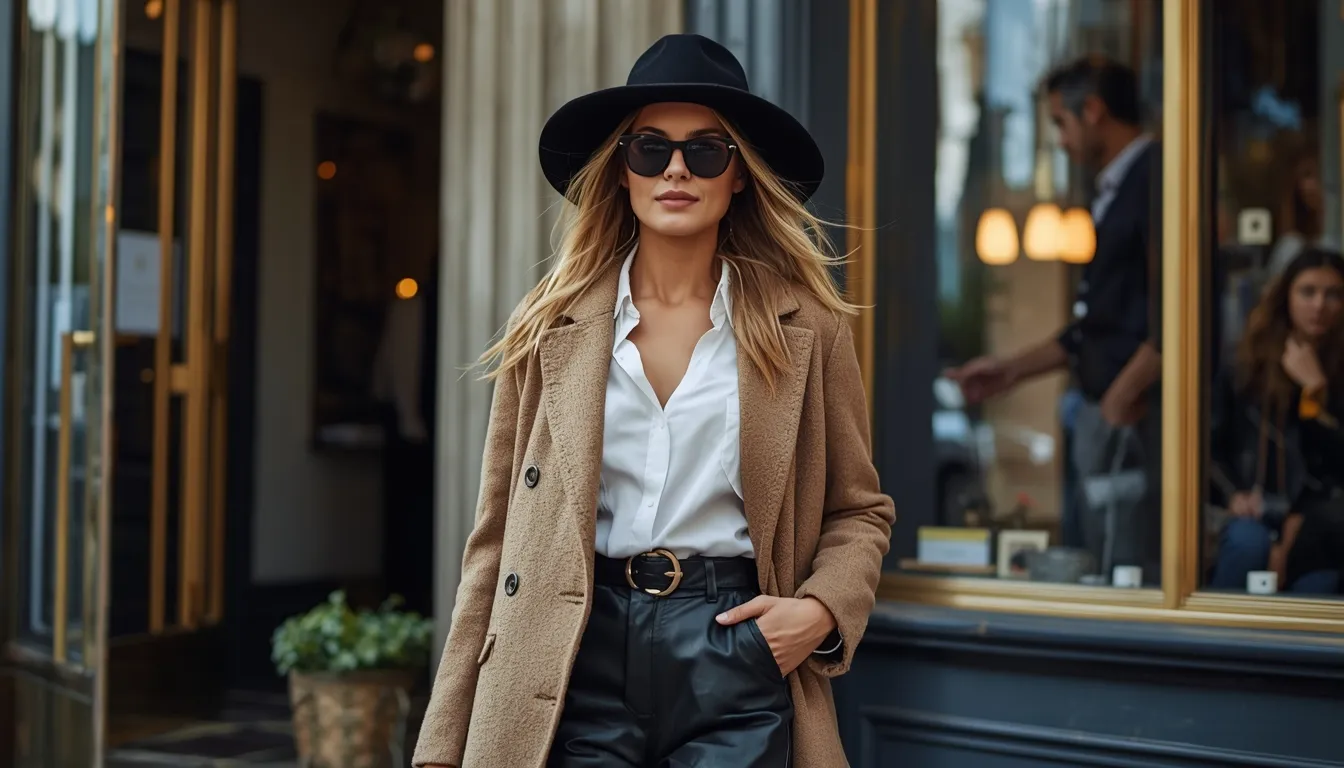
Fashion capitals aren’t crowned by committees. They earn their status over time. You feel it the moment you land. In the way people dress for coffee. In how shop windows tell stories instead of pushing sales. In the confidence of silhouettes that don’t ask for approval.
I’ve spent years writing about style and traveling through these cities, and one thing is clear: global fashion capitals don’t follow trends. They create the conditions where trends are born.
Some cities lead through history. Others through rebellion. A few through sheer commercial power. Together, they shape how the world gets dressed.
What Really Makes a City a Fashion Capital?
It’s not just Fashion Week. True fashion capitals have a mix of:
-
Designers with global influence
-
Skilled craftsmanship
-
Strong fashion education
-
Media attention
-
A street style culture that feeds the runway
That final portion things more than individuals think. When design lives as it were on runways, it blurs. When it lives on the road, it spreads. That’s why rankings alter, talks about never conclusion, and the title is continuously contested.
Read Also: How Influencer Marketing Changed Fashion Culture Forever?
Paris: Where Fashion Became a Language
If design has a local tongue, it’s talked in Paris. Paris doesn’t chase significance. It expect it. The city’s impact comes from couture houses that treat clothing like craftsmanship.
Dior, Chanel, Holy person Laurent, Givenchy. These brands didn’t fair plan pieces of clothing. They formed how tastefulness is defined. Walking through Paris, you take note restriction. Clean lines.
Impartial palettes. Easy layering. Nothing shouts. Everything whispers with confidence. When individuals inquire, “Is Milan or Paris the design capital of the world?” the reply regularly depends on what they value.
Paris speaks to mold as culture. As legacy. As something ageless.
Milan: Where Craft Meets Power
Milan feels different from Paris in the best way. Paris romanticizes fashion. Milan engineers it. Italian fashion is rooted in craftsmanship. Tailoring. Fabric. Fit. You see it in brands like Armani, Prada, Versace, and Dolce & Gabbana.
Milanese style has strength. Sharp shoulders. Luxurious textures. Bold confidence without apology. I’ve always felt Milan dresses for impact. Not shock, but presence.
In any serious list of fashion capitals of the world, Milan ranks high because it controls production as much as design. Many of the world’s finest garments are still made in Italy, and that matters.
New York: Fashion That Moves at Real Speed
New York doesn’t wait for permission. It reflects how individuals really live. Quick mornings. Long days. Numerous roles. American mold flourishes on common sense with identity.
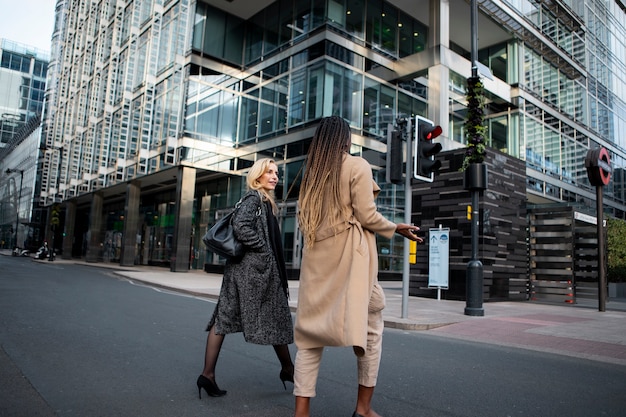
You see it in brands like Ralph Lauren, Calvin Klein, Tom Passage, and more up to date disruptors that obscure extravagance and streetwear. New York style embraces diversity. Tailored suits sit next to sneakers. Vintage mixes with techwear. There are no rules, only confidence.
In most fashion capitals of the world ranking lists, New York scores high for influence and commerce. Trends born here travel fast because the city itself moves fast.
London: Where Rules Go to Get Broken?
London fashion is fearless. It’s where convention meets resistance. Where Savile Push fitting exists nearby punk, genderless mold, and test silhouettes. British architects don’t inquire if something will offer. They inquire if it says something.
You Must Also Like: How Luxury Living Influences Fashion And Beauty Trends?
Vivienne Westwood, Alexander McQueen, JW Anderson. These names changed mold by challenging it. London’s control lies in instruction and experimentation. Central Holy person Martins alone has molded decades of worldwide style.
When patterns feel as well cleaned, London shakes things up.
Tokyo: The Calm Mammoth of Worldwide Style
Tokyo doesn’t continuously get best charging, but its impact runs deep. Japanese mold is approximately detail, layering, and concept. Originators like Yohji Yamamoto, Comme des Garçons, and Issey Miyake re-imagined how dress connected with the body.
Street fashion in Tokyo feels purposefulness. Keen. Regularly ahead of the curve. What makes Tokyo extraordinary is how subcultures flourish. From moderate to maximalist, everything coexists.
Many patterns that afterward rule Europe and the US appear up in Tokyo to begin with, worn by individuals who aren’t attempting to impact anybody.
Milan vs Paris: The Question Everyone Asks
So, is Milan or Paris the fashion capital of the world? Here’s the honest answer: it depends on what you mean by “capital.”
If you mean:
-
Creative legacy → Paris
-
Craftsmanship and luxury production → Milan
-
Trend-setting through rebellion → London
-
Commercial influence → New York
Fashion doesn’t have a single capital any longer. It has a organize of cities, each driving in its claim way. Paris sets the tone. Milan culminates the item. London challenges standards. Modern York scales patterns globally.
Emerging Fashion Capitals Changing the Conversation
The fashion world is expanding. Cities exterior the conventional “Big Four” are shaping style in calmer but significant ways.
Seoul: Korean mold mixes streetwear, extravagance, and pop culture consistently. K-fashion spreads quick much appreciated to music, film, and social media.
Designers test without losing wearability.
Copenhagen: Sustainability lives here. Scandinavian fashion centers on clean plan, moral generation, and immortal appeal. Copenhagen Fashion Week now sets standards other cities follow.
Los Angeles: Casual extravagance characterizes LA. Loose outlines. Lifted nuts and bolts. Impact driven by amusement and lifestyle. It’s not runway-heavy, but it shapes how individuals dress daily.
How Fashion Capitals Influence Everyday Style?
You don’t require to go to Mold Week to feel a city’s impact. Paris impacts fitting and style. Milan shapes extravagance materials. Unused York drives athleisure. London rouses risk-taking. Tokyo presents modern proportions.
These ideas channel into quick design, free originators, and individual wardrobes. That’s how worldwide mold capitals discreetly influence what you wear to work, supper, or travel.
Street Style vs Runway: Who Leads Now?
Once upon a time, runways directed trends. Now, road fashion regularly leads. Fashion capitals with solid road culture adjust quicker. Originators observe how individuals wear dress, not fair how models walk in them.
Cities like Unused York, London, and Tokyo flourish here since mold is lived, not staged. This move changed how patterns spread and how rapidly they evolve.
Why Rankings Alter Each Year?
Fashion is passionate. Social. Political. That’s why design capitals of the world positioning records change so much. A city might rise because:
-
A breakout designer
-
A viral moment
-
A shift in consumer values
-
A strong sustainability push
No ranking is permanent. Influence flows. What stays constant is the cities that nurture creativity long-term, not just during hype cycles.
Personal Take After Watching This Industry for Years
If you’re asking which city defines fashion best, you might be asking the wrong question. The real magic happens where cities collide. A Paris-trained designer shows in New York.
Italian craftsmanship supports a London concept. Tokyo street style influences Milan runways. Fashion today is global, layered, and collaborative. That’s what makes it exciting.
Choosing Which Fashion Capital Speaks to You
Different cities resonate with different people.
- If you love elegance and restraint, Paris will pull you in.
- If you appreciate bold luxury and tailoring, Milan feels right.
- If you crave experimentation, London delivers.
- If you want wearable innovation, New York makes sense.
- If detail and concept excite you, Tokyo will inspire you endlessly.
None are better. They’re different languages of the same conversation.
Final Thoughts From Someone Who Watches Trends for a Living
Fashion capitals don’t define style alone. People do. Cities simply give ideas a place to grow, clash, and evolve. The best thing about global fashion today is that you don’t have to choose one capital. You can borrow from all of them.
That’s how modern style works. If you want, I can break this down by menswear, womenswear, streetwear, or luxury brands tied to each city. Just say the word.