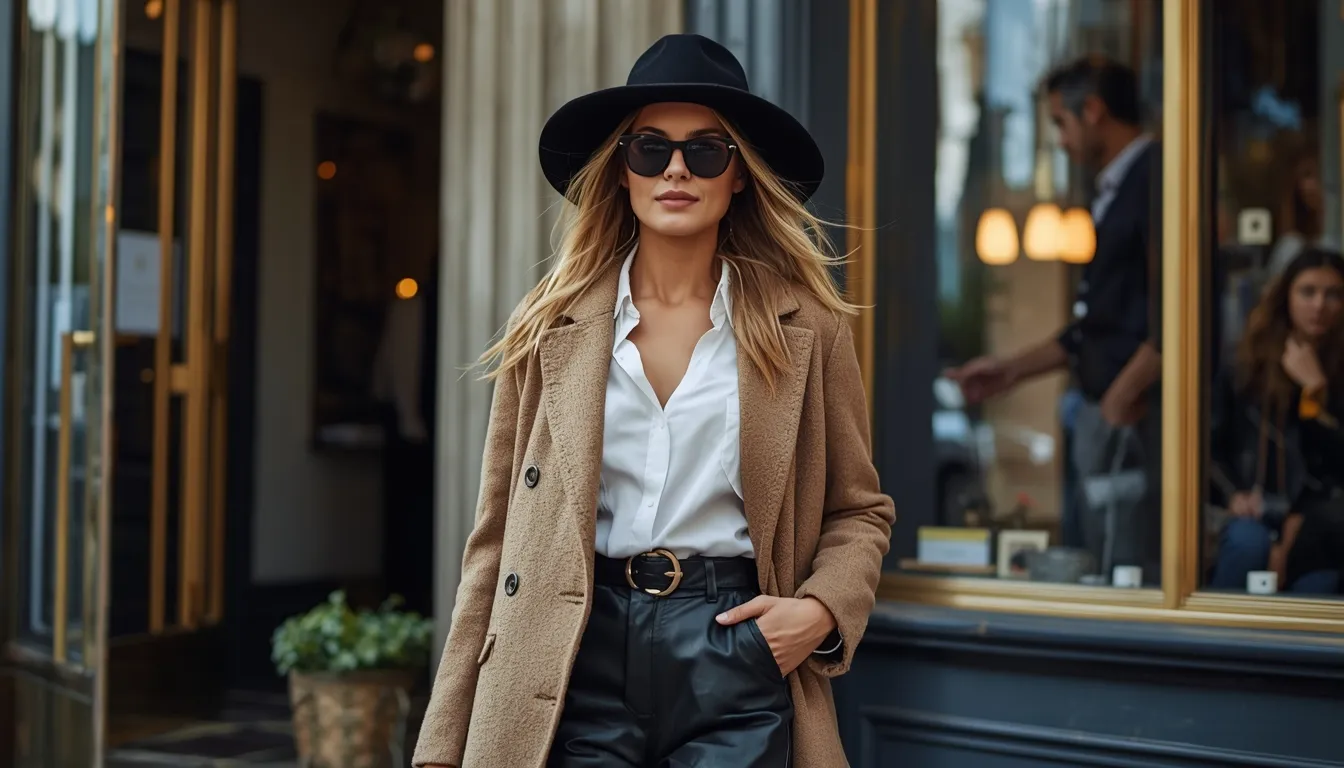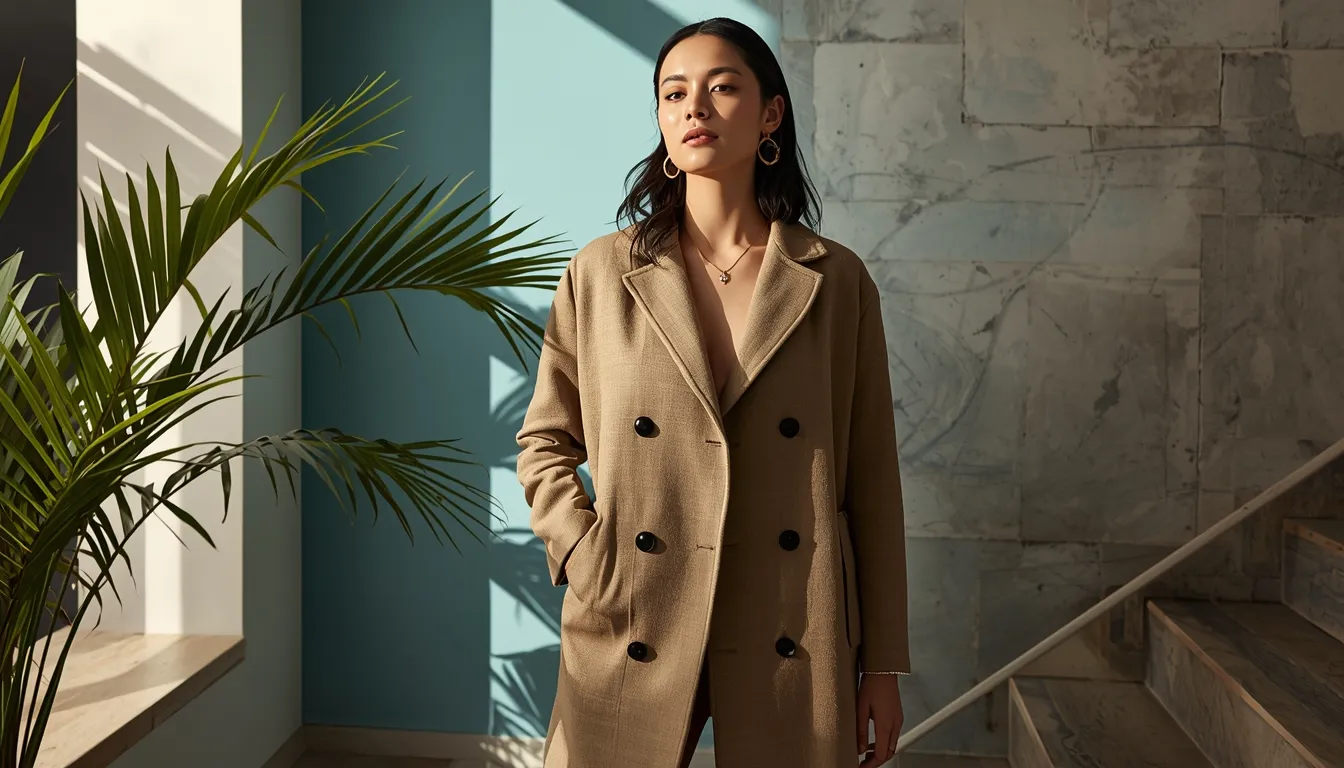
I’ve been composing around fashion long sufficient to keep in mind when trends came from glossy magazines and runway appears that most individuals never really saw in genuine life. Back at that point, design felt far off. Elite. Nearly untouchable.
That changed the impact of influencer marketing on fashion entered the picture. And it didn’t fair change the industry—it flipped it interior out. Today, what we wear, purchase, and indeed care around in design is formed by individuals looking over their phones on the love seat.
Some of the time those individuals have millions of adherents. In some cases they’re fair truly great at styling thrifted pants in their room mirror. Let’s conversation truly almost how we got here, what moved, and why design will never go back to the ancient way.
So, How Influencer Marketing Changed Fashion Culture?
For decades, mold was a top-down conversation. Designers appeared collections. Editors picked favorites. Brands told shoppers what was “in.” Customers taken after or felt cleared out out. There was no input circle. If you didn’t like a slant, your as it were choice was to overlook it quietly.
Read Also: How Luxury Lifestyle Is Redefining Modern Culture?
Social media split that framework wide open. Suddenly, regular individuals might post outfits. Comment on patterns. Call out brands. Celebrate styles that never strolled a runway.
That move in control laid the establishment for social media fashion culture as we know it now.
Influencer Marketing Made Fashion Feel Personal
The early days of mold influencers weren’t cleaned or sponsored. They were bloggers sharing outfit photos taken by companions. College understudies posting “outfit of the day” on Instagram.
YouTube makers shooting pull recordings on their room floors. What made them effective wasn’t reach. It was relatability. When somebody said, “I bought this coat and wore it for three months,” individuals tuned in. It felt like counsel from a smart companion, not an ad.
That’s when brands realized something critical: believe offers way better than perfection. And that’s the genuine affect of influencer marketing on fashion—it humanized it.
Consumer Behavior in Fashion Completely Shifted
I’ve watched shopping propensities alter in genuine time. People don’t fair browse stores any longer. They scroll to begin with. They spare posts. They watch reviews. They hold up to see how something looks on genuine bodies, in genuine lighting.
Influencers got to be the bridge between motivation and purchase. Instead of inquiring, “What’s trending this season?” customers ask:
- How does it fit?
- Does it last?
- Is it worth the money?
- Will I really wear it?
That move in buyer behavior in fashion forced brands to step up. Terrible quality gets uncovered quick. Overpriced nuts and bolts don’t survive comment sections. Influencers didn’t fair advance items. They raised expectations.
How TikTok Changed the Fashion Industry Overnight?
If Instagram built influencer culture, TikTok poured gasoline on it. I’ve never seen trends move quicker than they do presently. A arbitrary video can turn an unknown brand into a sold-out sensation in 48 hours. TikTok flourishes on revelation, not clean. That changed everything. Suddenly:
- Styling mattered more than labels
- Personality beat perfection
- Micro-trends detonated weekly
This is how TikTok changed the fashion industry—it made patterns chaotic, quick, and unimaginably democratic. A youngster in a little town can begin a worldwide tasteful.
A used coat can beat extravagance advertisements. And brands have zero control over what goes viral. That alarms a few companies. Shrewd ones incline into it.
Micro-Influencers Quietly Won the Game
Big-name influencers still matter. But the genuine enchantment happens with littler creators. Micro-influencers feel closer. More fair. More specific. A sustainable fashion creator with 30k followers frequently drives more important deals than a celebrity with 3 million.
You Must Also Like: How Social Media Is Shaping Fashion & Beauty Culture?
Why? Since their group of onlookers really trusts them. I’ve seen brands squander huge budgets on big names and at that point get mind blowing comes about from specialty makers who truly cherish the product.
That’s influencer marketing fashion maturing. It’s less around numbers and more approximately connection.
Sustainable Fashion Found Its Voice Online
Before influencers, sustainable fashion felt specialty and expensive. Now it’s a development with faces, stories, and real-life proof. Creators transparently conversation about:
- Cost per wear
- Thrifting vs quick fashion
- Repairing dress instep of supplanting them
- Rewearing outfits without shame
These sustainable fashion influencer trends didn’t come from brands. They came from people pushing back against overconsumption. And it worked.
Consumers begun inquiring harder questions. Brands felt pressure to clarify materials, labor, and estimating. A few fizzled. Others adapted. That social move didn’t begin in meeting rooms. It begun in comment sections.
Fashion Became a Conversation, Not a Campaign
One of the greatest changes I’ve taken note is how fashion messaging sounds now. Brands utilized to conversation at shoppers. Presently they conversation with them.
Influencers answer to comments. Alter suggestions. Concede botches. Alter opinions. That two-way interaction reshaped social media design culture into something living and reactive.
When an influencer says, “I stopped wearing this brand because the quality dropped,” it things. That kind of trustworthiness builds validity cash can’t buy.
Style Became More Inclusive and Real
Let’s be honest—fashion wasn’t built for everyone. Influencers made a difference alter that. People at long last saw:
- Different body sorts styling the same pieces
- Modest mold makers setting trends
- Disabled makers driving conversations
- Cultural mold impacts celebrated, not sidelined
This perceivability changed how individuals shop and how brands design. When shoppers see themselves spoken to, they lock in. They purchase. They remain loyal.
That’s not a slant. That’s a lasting shift.
The Trust Factor Is Everything Now
Here’s something numerous brands still underestimate. People can scent fake excitement instantly. If an influencer advances everything, they advance nothing. The most fruitful creators I’ve worked with say no more than yes.
Read More: Fashion Weeks That Decide Global Style Trends Every Year
They test items. They unveil sponsorships clearly. They ensure their audience’s trust. That believe is why influencer marketing fashion works when it works—and comes up short when it doesn’t.
Shoppers don’t need flawlessness. They need honesty.
Final Thoughts
How TikTok changed the fashion industry? Runways still matter. Designers still improve. But the center of design culture has moved. It lives on phones. In comment strings. In fair audits and styling recordings shot at home.
Influencers didn’t supplant fashion authorities. They extended who gets to be one. Today, patterns rise from real life. From shared encounters. From individuals who wear dress the way most of us do—daily, defectively, and emotionally.
That’s why the impact of influencer marketing on fashion isn’t fair about deals or ads.
It changed how design feels.
More human. More open. More accountable.
And once design got to be that, there was no turning back.