I still remember the Baisakhi I wore the wrong suit. Heavy silk, tons of embroidery, looked amazing in the mirror. By 11 AM I was sweating through everything. Could not dance. Could not sit comfortably.
Spent the whole day adjusting my dupatta instead of enjoying the mela. Never again. After that disaster, I made it a point to actually test outfits before recommending them. I visited boutiques in Patiala and Ludhiana.
Spoke to tailors who have been stitching suits for decades. Wore different styles to real events—morning gurudwara visits, afternoon parties, evening dhol nights.
Here is what actually works for Baisakhi 2026. No fluff. Just honest observations.
Top 5+ Best and Latest Punjabi Suit Fashion 2026
1. The Patiala Suit That Actually Lets You Move
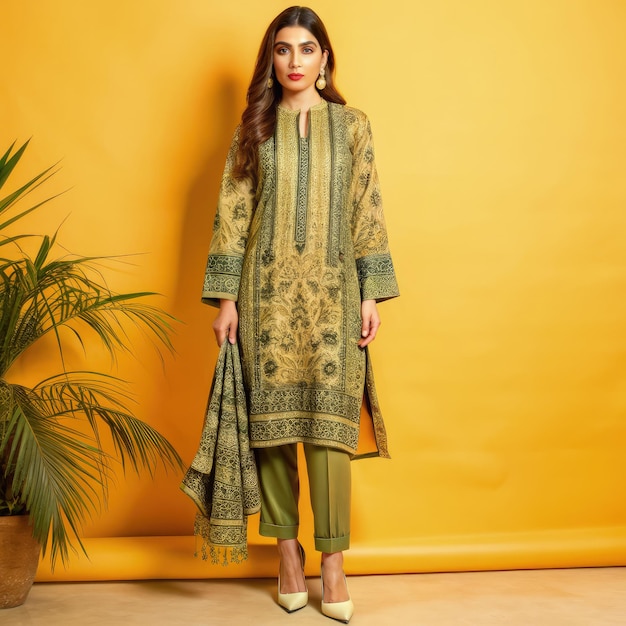
My grandmother always said a good Patiala should feel like you are wearing nothing. Took me years to understand what she meant. The problem with most Patialas today is the weight.
Read Also: Street Culture vs High Fashion: Where Trends Begin?
Designers stuff so many pleats with heavy fabric that the salwar becomes a burden. I tried one last month made from a cotton-silk blend. Lightweight but held its structure. The kamar-patti (waistband) was wide and soft—no digging into my stomach after lunch.
What I noticed while wearing it:
-
I could do the giddha without once pulling at my clothes.
-
The pleats did not collapse or twist even after sitting on the floor for an hour.
The catch: Cheap versions use stiff thread on the pleats. Feels fine when you stand. Sit down and those pleats press into your waist like a wire. Always run your hand along the waistband before buying. If it feels rigid, skip it.
Best for: Anyone planning to dance. Not ideal if you prefer a fitted look.
2. The Reverse Phulkari Dupatta That Saved Me From Snags
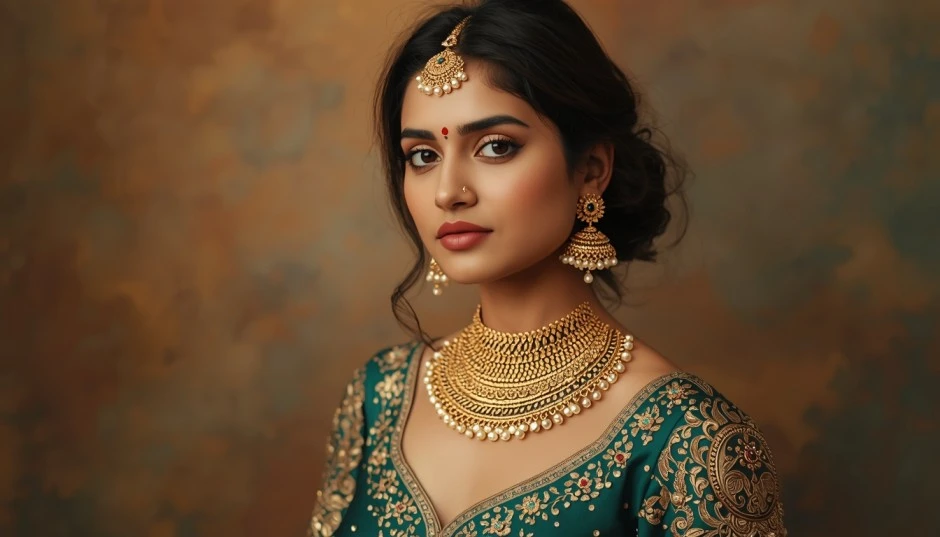
Phulkari is beautiful. But I have ruined two dupattas by catching the thread on my own bangles. Last year a boutique owner in Patiala showed me something different. She called it reverse Phulkari. The embroidery is done on the underside.
From the front you only see a faint, textured outline of the pattern. Subtle but unmistakably traditional. I wore this to a friend’s Baisakhi gathering. No snags. No stress. The dupatta draped easily without being stiff or heavy.
Why this matters: You get the cultural feel without the maintenance. The delicate threads stay protected underneath so you are not constantly checking if something got caught.
What to check: Flip the dupatta over. If the reverse stitching looks messy or uses cheap shiny thread, the texture on the front will look uneven after a couple of washes. A good piece should feel soft on both sides.
Best for: Women who want Phulkari without the constant worry of snagging.
3. Asymmetrical Hemline With Straight Pants
I was skeptical about this trend. Looked too modern for Baisakhi. Then I tried one. The kameez was shorter in front and longer at the back. Paired with straight pants instead of a traditional salwar. The whole look felt fresh but still respectful.
What worked:
-
The diagonal cut made me look taller. No exaggeration.
-
Straight pants gave a clean line. No bunching around the ankles.
What almost went wrong: I picked a suit with a very sharp asymmetry—almost 8 inches difference. Standing looked great. Sitting on the floor for langar was awkward. The longer back kept bunching under me.
My advice: If you plan to sit on the floor for meals, stick to a moderate asymmetry. 4 to 5 inches difference is plenty. Anything more becomes a hassle.
Best for: Evening events or receptions. Less ideal for all-day outdoor celebrations.
4. Cotton Handblock Suits
I bought a handblock cotton suit last year thinking it would be my backup outfit. It became my main. The fabric was soft. Breathable. In the April heat I stayed comfortable while others in synthetics were visibly uncomfortable.
The real test: I wore it to a morning gurudwara visit, then straight to a mela. No change of clothes. The suit handled sweat without clinging. Looked fresh till evening.
What to watch for: Some sellers label poly-blends as cotton. I learned a simple trick. Crush the fabric in your fist. Pure cotton wrinkles. If it springs back smooth, it has synthetics. Synthetics trap heat. On a hot Baisakhi day, that is miserable.
Best for: Daytime events. Anyone who values comfort over heavy embellishment.
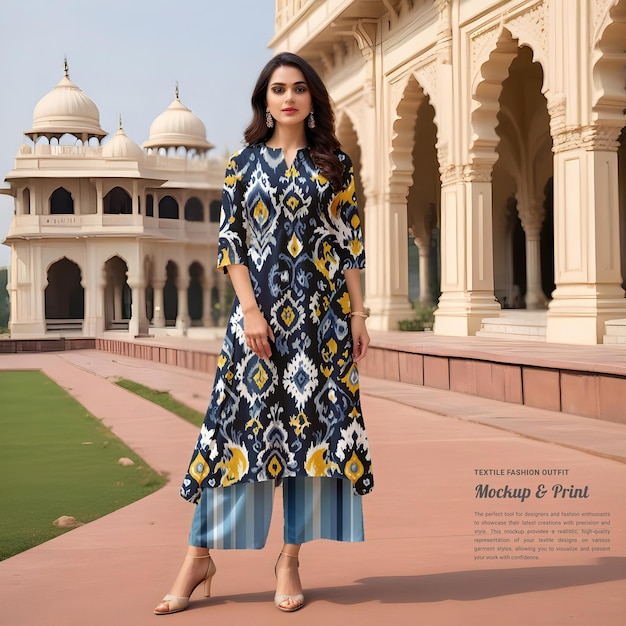
5. Cape Jackets Instead of Dupattas
I have a confession. I am terrible at managing dupattas. Safety pins slip. The fabric falls off one shoulder constantly. I spend half the event fixing it. The cape jacket solved this for me.
You wear a simple solid kameez and salwar. Then add a structured cape that sits on your shoulders and falls to your waist. The cape carries all the embroidery and detail.
What I loved:
-
No dupatta to manage. Hands free.
-
The cape stays put. Even while dancing.
What surprised me: I tried one cape that looked gorgeous on the hanger but restricted my arm movement. Could not raise my hands above shoulder level. Another one I tried had a perfect cut—full mobility.
You Must Also Like: Understanding the Fast Fashion Environmental Impact and Consumer Choice
My rule now: Before buying a cape suit, I raise both arms to shoulder height. If the cape lifts awkwardly or pulls tight, I pass.
Best for: Women tired of dupatta struggles. Not great for extreme heat since it adds an extra layer.
6. Simple Kurta-Shalwar Sets
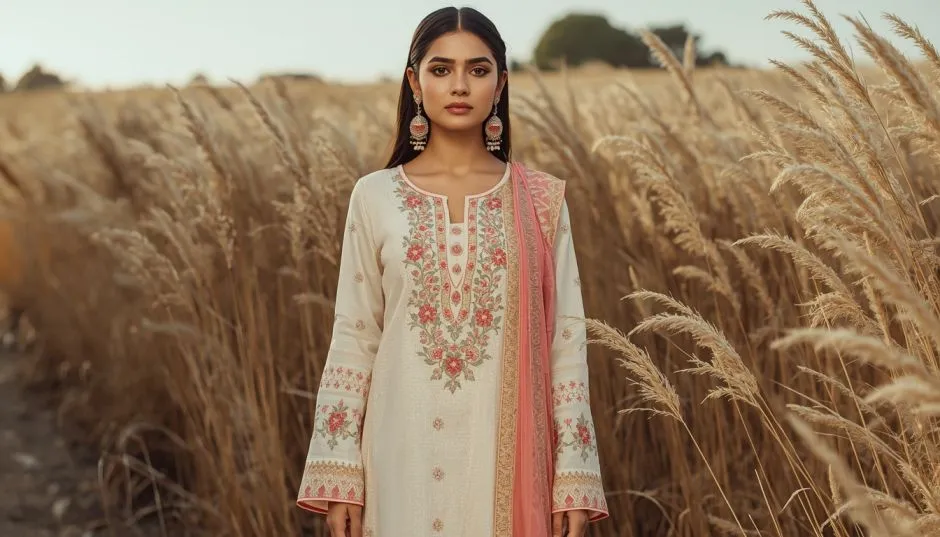
Sometimes I want to look dressed up without feeling dressed up. A well-cut kurta in a good fabric does exactly that. For 2026, I am seeing more focus on texture rather than embroidery. Jamdani weaves. Tissue fabrics with a subtle sheen. Kala cotton with handwoven accents.
What I learned about fit: A kurta should not be shapeless. I look for ones with darts or a slight A-line flare. The shalwar should hit just above the ankle—anything longer looks sloppy, anything shorter looks dated.
Fabric check: I hold the kurta up to light. If I see light coming through evenly, the fabric breathes. If it blocks all light, it will trap heat.
Best for: Women who prefer understated elegance. Not for those wanting heavy bling.
7. Farshi Pants
This one surprised me. I tried a farshi pant suit for a wedding reception last year. The pants are wide and flowy, almost like a skirt when standing. Paired with a short kameez, the silhouette looks regal.
What worked:
-
Photographs beautifully.
-
Moves with you rather than against you.
What I did not anticipate: The hem dragged on the ground. At the reception venue with carpet, fine. At a Baisakhi mela on grass or dusty paths? Not ideal.
My honest take: If you love this style for Baisakhi, look for a version with a detachable pant or carry a change of bottoms for later. Also, you need heels to make it work. Flats will have you tripping.
Best for: Evening events with paved flooring. Not great for outdoor melas or grassy areas.
What I Have Learned About Buying Suits That Last?
I have made enough shopping mistakes to know what separates a good purchase from a regret.
The floor test matters: Baisakhi involves sitting on the floor. At the gurudwara. At home with family. I sit down cross-legged when trying a suit. If the salwar digs in or the kameez rides up awkwardly, I do not buy it. No exceptions.
Water stains are real: April can bring sudden showers. Also, you will wash your hands, spill lassi, or get jalebis on your outfit. I ask the seller about fabric reaction to water. Some silks and synthetics leave permanent spots. Cotton and good quality chiffon do not. That matters when food is everywhere.
Weight does not equal quality
A heavy suit is not necessarily a good suit. I have picked up suits that weighed almost nothing but looked elegant because the fabric and cut were right. I have also held suits that felt like wearing a blanket—beautiful but unwearable for a full day.
A Quick Word About Online Shopping
I buy suits online and in person. Both have risks. Online, I stick to sellers who post videos rather than just photos. Photos hide flaws. Videos show how the fabric moves and drapes.
I also read reviews carefully—not the 5-star ones, but the 3 and 4 star reviews. Those usually mention real issues like thread quality or fit problems.
In boutiques, I take my time. I do not let the salesperson rush me. I check seams, waistbands, and fabric texture. If something feels off, I trust that feeling.
What I Am Wearing This Baisakhi?
After testing all these styles, I landed on a cotton handblock suit for the morning and a reverse Phulkari dupatta to add color. Simple. Comfortable. No stress. For the evening, I have a cape jacket suit in a solid mint green.
The cape has just enough embroidery to feel festive. No dupatta to manage means I can actually enjoy the dhol instead of fixing my outfit every five minutes. This combination works because it fits the day. Morning demands comfort. Evening allows for a bit more polish.
Final Thoughts From Someone Who Learned The Hard Way
You do not need five suits for one Baisakhi. You need one or two that work for what the day actually involves. Think about your plan. Are you going to the gurudwara? Sitting for langar? Dancing? Eating?
Choose fabric and fit based on those activities, not just how the suit looks on a hanger. The best Punjabi fashion choice is one that lets you forget what you are wearing. When you are comfortable, you enjoy the day. When you enjoy the day, you look good in every photo—whether you planned to or not.
I learned that lesson the hard way in that heavy silk suit years ago. Now I pass it on to you. Wear something that moves with you. Something that handles the heat. Something that lets you eat, dance, and laugh without a second thought.
That is the real style win.