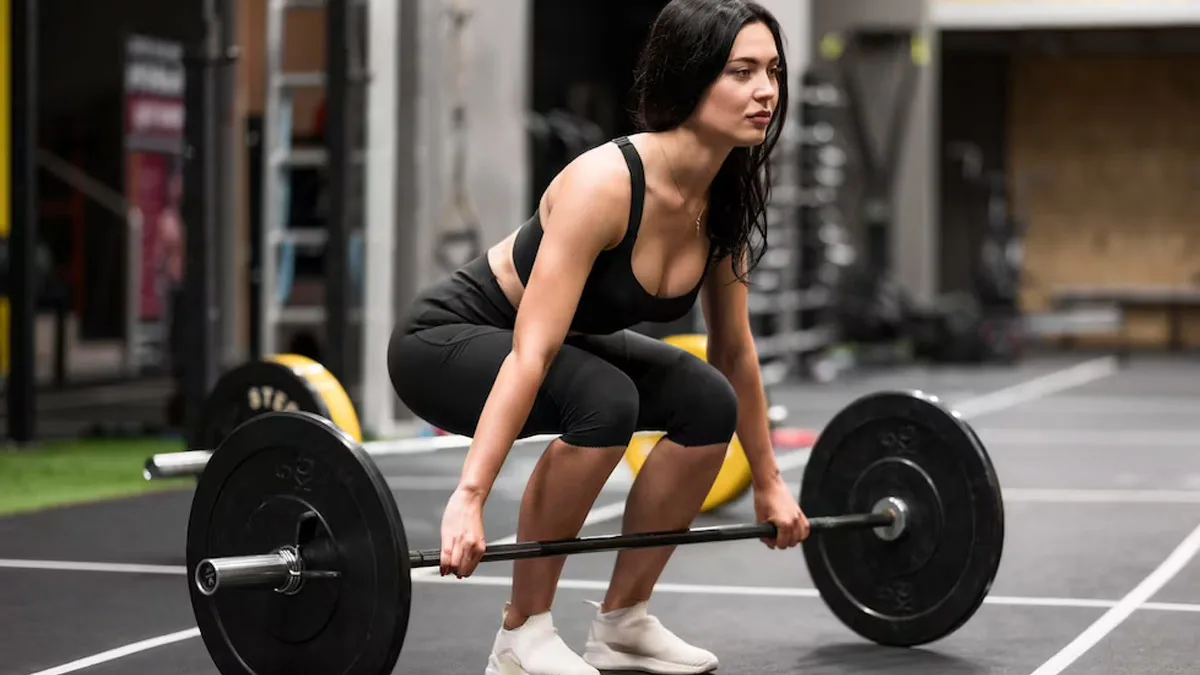
Functional strength training focuses on movements that improve your ability to perform everyday activities while building strength, balance, coordination, and endurance.
Then I tried to carry my kids up the stairs. My back gave out. My wife laughed. I did not. That is when I started looking into functional strength training. Not to look good in a mirror. To move like I used to. To stop getting winded chasing my dog around the yard.
Here is what I figured out. What worked. What did not. What you can do today with zero equipment and zero excuses.
What Functional Strength Training Actually Means?
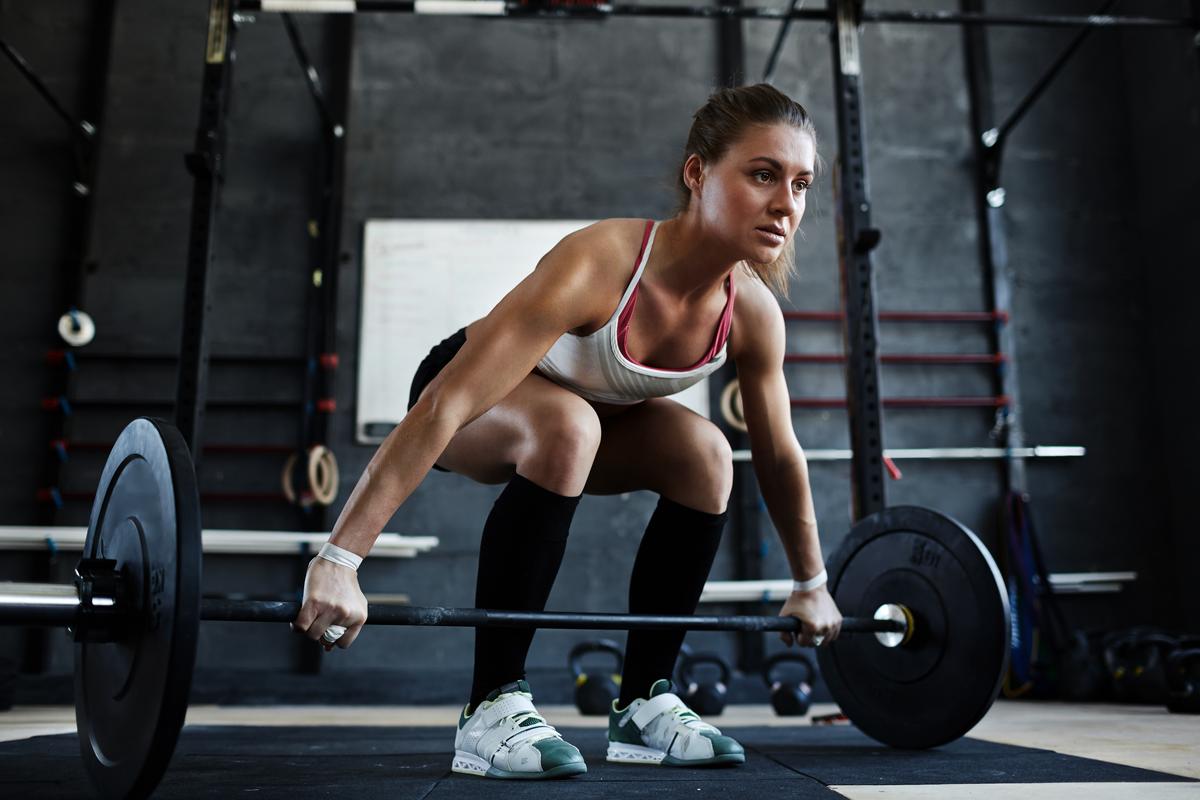
This is not about lifting heavy things. It is about being able to lift your own body. And everything else you encounter in daily life.
Think about your day. You reach for something on a high shelf. You pick up a bag of groceries. You get off the floor after playing with your kids. Those are functional movements.
Read Also: Weight Loss Exercise at Home for Female: Easy Fat Burn Tips
Gym training usually works one muscle at a time. Bicep curls. Leg extensions. Chest flys. That stuff is fine. But it does not teach your body to work as a team.
Functional training changes that. It uses your whole body. It makes you stable. It makes you balanced. It makes you strong in ways that actually matter.
The Difference Nobody Tells You About
Here is a comparison that helped me.
Traditional gym strength is about isolation. How much can your bicep lift? How much can your quad push?
Functional strength is about integration. Can you lift your kid while holding a coffee and not fall over? Can you carry a suitcase without throwing out your back? Can you get up from the floor without using your hands?
Research backs this up. One study showed functional training builds agility and coordination better than traditional methods. Another found it improved everyday performance more effectively.
For weight loss specifically, functional training beats traditional gym work. A 2026 study confirmed it. High-intensity functional training led to bigger fat reductions than standard resistance training.
Why Functional Training Melts Fat Faster?
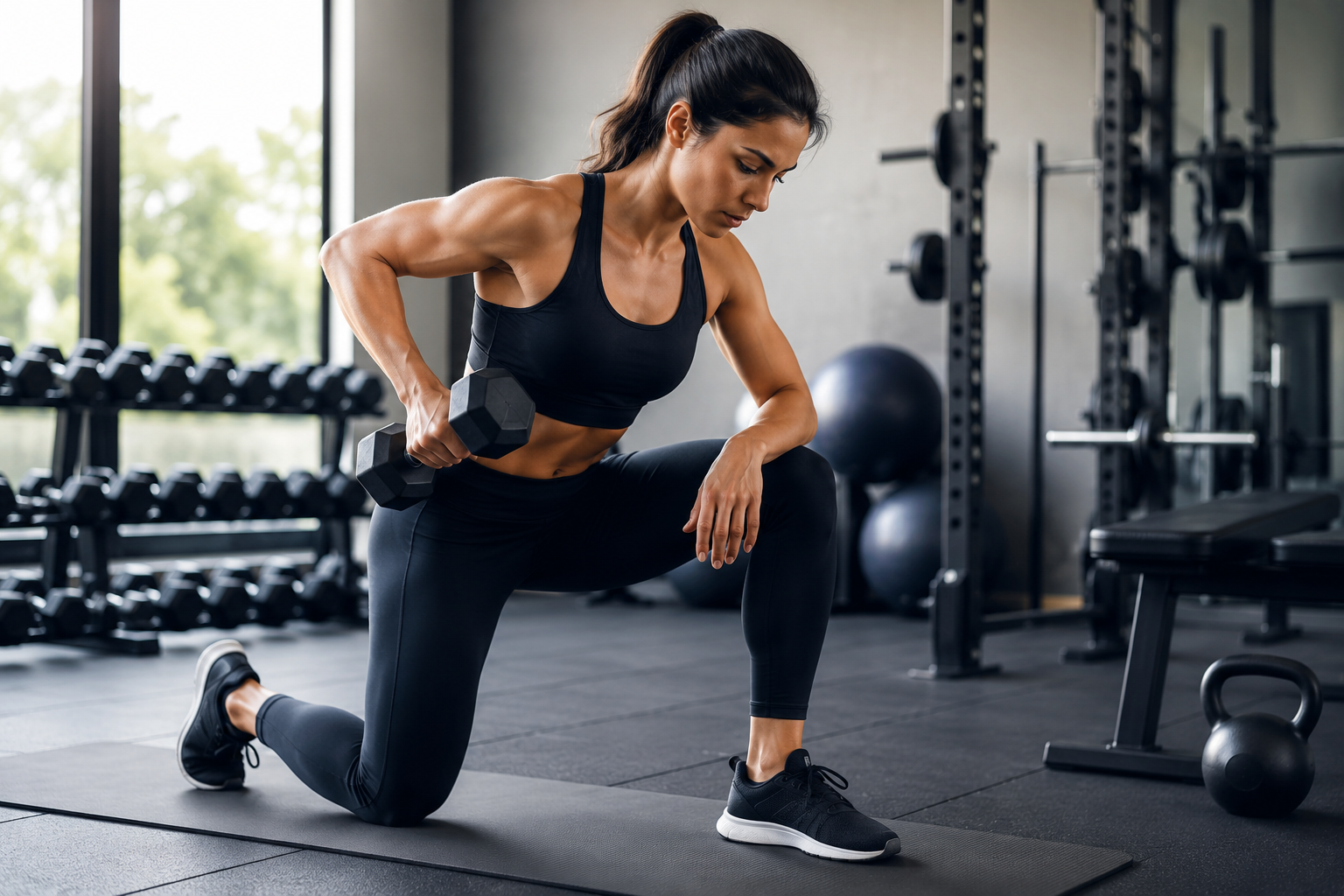
Here is the simple science.
You Build Muscle Everywhere
Muscle burns calories. Even when you sleep. Even when you watch TV. The more muscle you have, the more calories your body burns all day long.
Functional exercises are compound movements. They hit multiple muscles at once. Squats work your legs. And your core. And your back. Push-ups work your chest. And your shoulders. And your arms.
More muscles working means more calories burning.
The Afterburn Effect
This is my favorite part. After an intense functional workout, your body keeps burning calories. For hours.
You Must Also Like: 5 Night Habits That Help Burn Belly Fat Female
They call it EPOC. Excess post-exercise oxygen consumption. Fancy term for a simple idea. Your body works hard to recover. That recovery costs energy. You burn fat while you shower. While you eat dinner. While you watch your shows.
Your Hormones Change
Compound lifts trigger a hormonal response. They release testosterone and growth hormone. These are your friends when you want to lose fat and build muscle.
Isolation exercises do not produce the same effect. You cannot curl your way to fat loss.
You Do Not Lose Muscle When You Diet
This is a trap I fell into. Eat less. Run more. Lose weight. But lose muscle too. That is the worst outcome.
Strength training prevents this. It sends a signal to your body. Keep the muscle. Burn the fat.
Research confirms this. Resistance training during weight loss maintains strength and physical function. You lose fat. You keep your muscle. Your metabolism stays high.
The Exercises That Actually Delivered Results
I tried a bunch. These are the ones I kept.
Squats
Everyone knows squats. Everyone hates them. But they work.
Stand with your feet shoulder-width apart. Push your hips back like you are about to sit on a chair. Keep your chest up. Lower down. Drive back up.
That is one rep.
Why it works: It hits your quads. Your hamstrings. Your glutes. Your core. That is a lot of muscle. A lot of calories.
Do this: Three sets of fifteen. Rest a minute between sets.
Kettlebell Swings
This exercise is a fat-burning monster.
Stand with feet shoulder-width apart. Hold the kettlebell with both hands. Hinge at your hips. Swing it between your legs. Drive your hips forward. Swing it up to chest height.
Do this: Three sets of twenty. Rest forty-five seconds.
Push-Ups
Classic. Effective. Humbling.
Get in a plank position. Hands under your shoulders. Lower your chest to the floor. Push back up.
You Must Also Like: Citrus Burn Weight Loss Supplement Side Effects Guide
If you cannot do a full push-up, start on your knees. Or use a table. Incline push-ups are easier. Work your way down.
Why it works: Chest. Shoulders. Triceps. Core. Full upper body engagement.
Do this: Three sets of as many as you can. Ten is good. Fifteen is better.
Lunges
Lunges are sneaky. They look easy. They are not.
Step forward with one leg. Lower until both knees are at ninety degrees. Push back to standing. Alternate legs.
Why it works: Legs. Glutes. Balance. Core stabilization.
Do this: Three sets of twelve each leg.
Planks
I hate planks. They are boring. They are uncomfortable. They work.
Hold a forearm plank. Keep your body in a straight line. Squeeze your glutes. Engage your core.
Start with twenty seconds. Build to a minute. Then two minutes.
Why it works: Core strength. Stability. Posture.
Do this: Three sets of thirty seconds. Work up from there.
Burpees
The full-body nightmare. Push-up. Squat. Jump. Repeat.
Drop into a squat. Kick your legs back. Do a push-up. Jump your legs forward. Jump up with your arms overhead.
Why it works: Everything. Cardio. Strength. Coordination.
Do this: Three sets of ten. Rest sixty seconds between sets.
How to Build Your Own Routine?
You do not need a gym. You do not need fancy equipment.
Bodyweight Only
Squats. Push-ups. Lunges. Planks. Burpees. That is all you need.
Adding Resistance
No weights? No problem.
Use a gallon jug of water. Use a bag of rice. Use a backpack filled with books. Get creative.
The goal is not to lift heavy. The goal is to challenge yourself. To move with control. To push your muscles.
A Simple Weekly Schedule
Here is what I follow.
Monday: Full Body
-
Squats: 3x15
-
Push-ups: 3x10-15
-
Glute bridges: 3x15
-
Plank: 3x30 seconds
Tuesday: Cardio + Core
-
Twenty-minute brisk walk or jog
-
Bicycle crunches: 3x20
-
Mountain climbers: 3x30 seconds
Wednesday: Full Body
-
Lunges: 3x12 each leg
-
Burpees: 3x10
-
Kettlebell swings: 3x20
-
Plank: 3x30 seconds
Thursday: Active Recovery
-
Stretch. Walk. Do nothing intense.
Friday: Full Body
-
Repeat Monday
Saturday: Cardio + Core
-
Repeat Tuesday
Sunday: Rest
Keep Getting Stronger
You need to push yourself. Increase reps. Increase sets. Decrease rest time. Add weight.
Even small changes make a big difference. Add one rep per set. Add five seconds to your plank. It adds up.
What the Science Actually Says?
How does exercise build strength?
Two things happen.
First, your nervous system adapts. Your brain gets better at talking to your muscles. It recruits more muscle fibers. It makes them fire in sync. You get stronger fast. This is the early strength gain.
Second, your muscles grow. They get bigger. They get stronger. This takes longer. But it produces lasting results.
One study found strength training led to a 12% increase in muscle mass and a 35% increase in strength. Those are real numbers.
Mistakes People Make
Only Doing Cardio
Cardio is fine. It burns calories. But it does not build muscle. You lose weight. You lose muscle too. Your metabolism drops. You regain the weight.
Include strength training. Every week.
Bad Form
I learned this the hard way. Bad squat form wrecked my lower back. Bad push-up form hurt my shoulders.
Start light. Focus on control. Watch videos. Ask a trainer. Protect your joints.
Not Eating Enough Protein
Your muscles need fuel. Protein provides the building blocks for repair and growth.
You need about 1.6 grams of protein per kilogram of body weight. That is about 115 grams for a 160-pound person. More if you are training hard.
Expecting Magic
Weight loss takes time. Weeks. Months. Years.
Be patient. Be consistent. Trust the process. The scale will move. It just takes longer than you want.
Who Should Try This?
It works for:
-
People who want strength they can use
-
Anyone tired of gym machines
-
Those trying to lose fat without losing muscle
-
People with limited equipment
It is not for:
-
Serious bodybuilders
-
Powerlifters chasing one-rep maxes
-
Anyone with injuries that block specific movements
My Final Thoughts
I wasted years on isolation exercises. My arms looked fine. My back was weak. My core was nonexistent.
Functional training changed that. I can carry my kids up the stairs. I can carry the groceries in one trip. I can get up off the floor without groaning.
The weight loss was a bonus. A nice side effect. But the real win was feeling like my old self again. Start small. Do five squats today. Do a ten-second plank. Do one push-up. Build from there.
The best workout is the one you actually do. Functional training is simple. It is accessible. And it delivers results that matter.